
What can happen to flower color?
Lavender buds may turn brown when embedded in melt-and-pour soap. That does not predict exactly what every flower will do in every base.
Wholesale Supplies Plus' lavender-buds listing says the buds can turn brown in soap and suggests using them as a top decoration. A Soap Queen melt-and-pour project also notes that lavender buds may brown over time. A Bramble Berry wildflower soap kit uses calendula and cornflower petals in a soap project; that example does not establish lasting color in every base. These are supplier and project examples, not a complete color test for every soap base, flower, or storage condition.
| Botanical material | What the sources establish | Practical next step |
|---|---|---|
| Lavender buds | Supplier guidance warns that buds can turn brown in soap. | Try a small amount in the exact base, or consider a light top decoration if the project instructions allow it. |
| Calendula or cornflower petals | Soap projects use these petals, but the examples do not guarantee lasting color in every base. | Check the botanical and base instructions and test the intended placement. |
| Other dried petals and florets | A flower's name alone does not establish its color after mixing into soap. | Test the material in the chosen base and compare it after the project has set. |
For additive handling, start with the base maker's directions and this Wholesale Supplies Plus additive guide. Use those instructions for the exact base you buy.
Keep the first test small
Write down the botanical name, plant part, soap base, and placement used in a test. Compare a small embedded sample with a top decoration only when the base instructions permit both. Color and appearance can vary with the material, the base, the time since pouring, and storage.
This is appearance guidance only. A color result does not establish skin suitability. Follow the soap-base maker's directions and applicable product safety requirements.
Compare supplies for a small craft batch
These current product examples are not hands-on tests. Check the selected listing option, contents, material, and the maker's instructions before buying or using a supply.
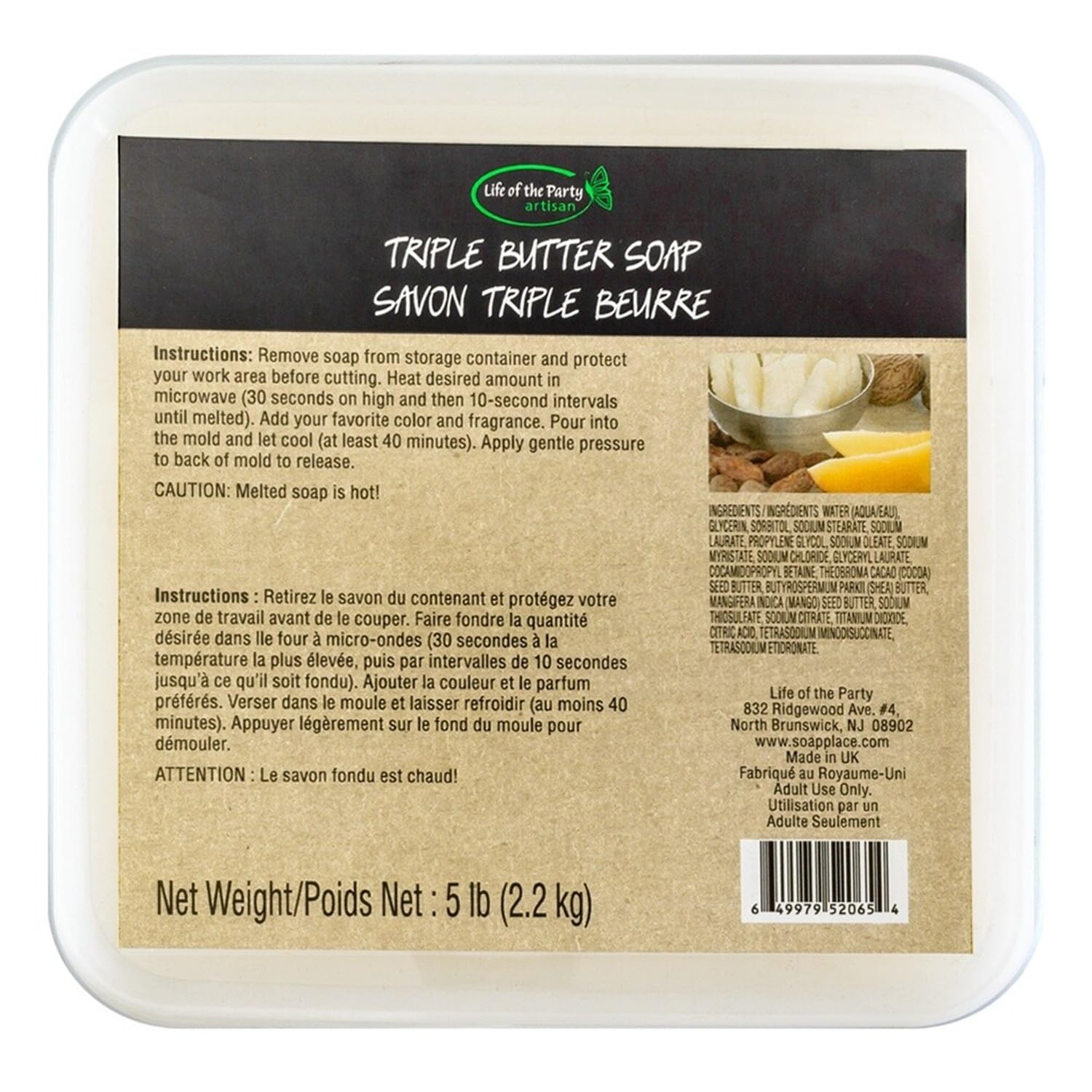
Life of the Party triple-butter melt-and-pour base, 5 lb
A listed base option for a project that already has a clear plan. Read its current ingredient list, variant, and use directions.
Check the current base listing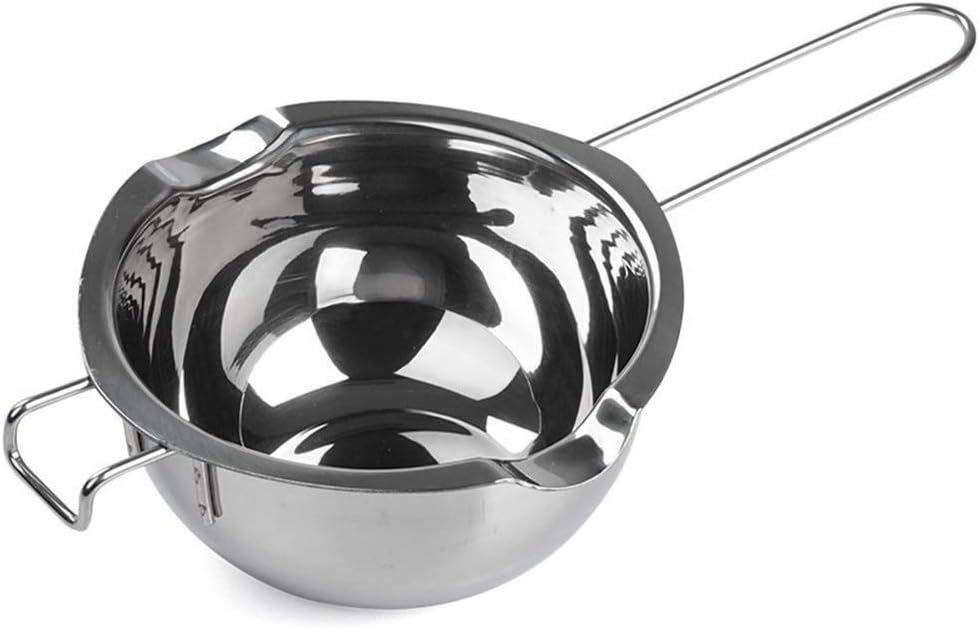
Stainless-steel double boiler pot, 480 mL
A small pot for projects whose instructions call for indirect melting. The listing gives 480 mL; follow the tool and base makers' directions.
Check the current pot listing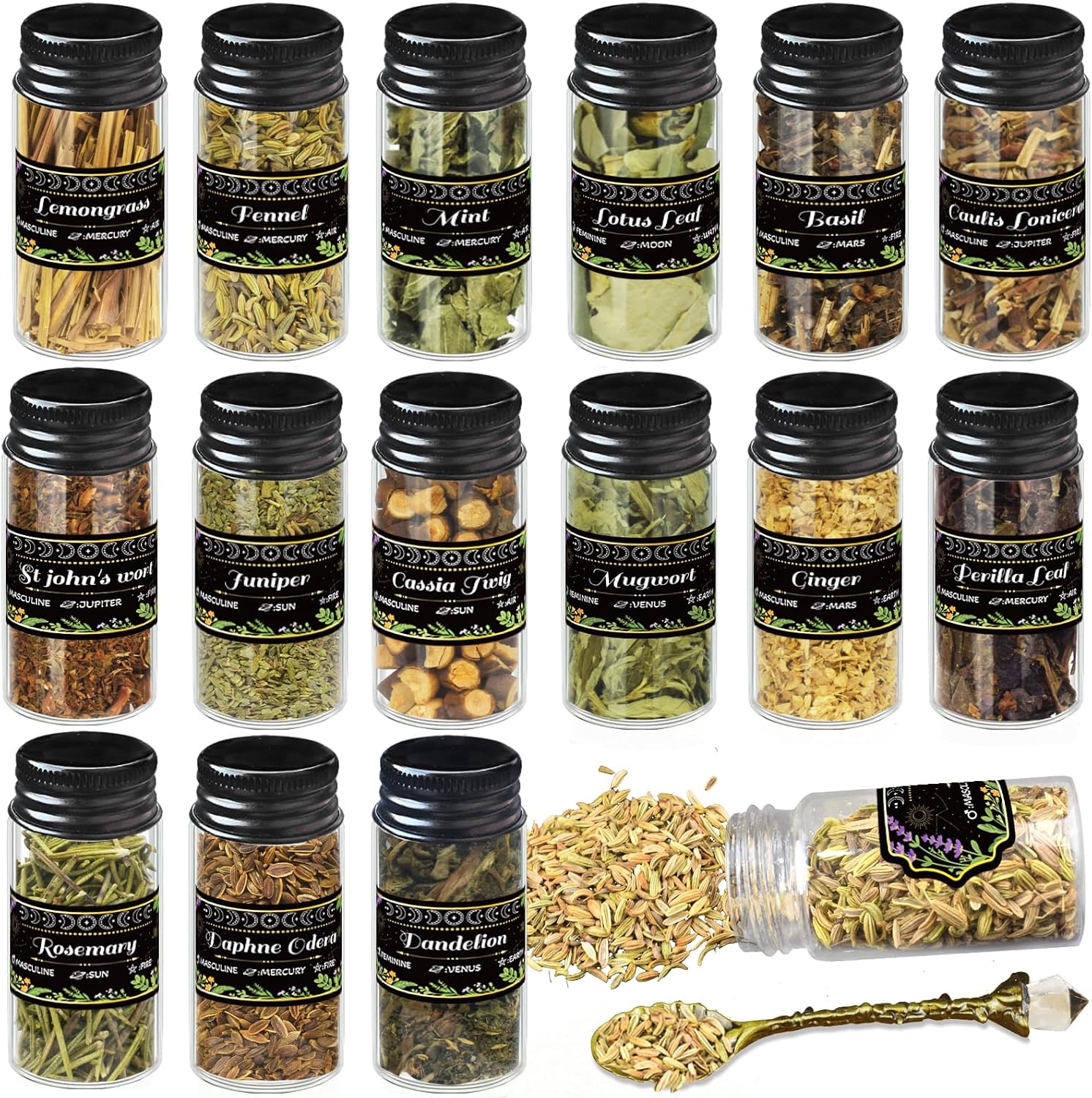
15-jar dried herb kit
A multi-jar craft set. Check the current botanical list, quantity, and intended-use information before deciding whether it fits your project.
Check the current botanical list and package detailsWhat this guide does not establish
This page covers craft appearance and supply comparison only. It does not establish that a botanical is suitable for skin, how much to add, or how a finished product should be labeled. Follow the exact base maker's directions.
For separate candle safety guidance, see the herbal candle guide. Product details can change; read our disclosures.
Common questions
Why may lavender buds turn brown in melt-and-pour soap?
Supplier and project guidance notes that lavender buds can brown when used in soap. The exact result depends on the material and project, so use a small test and follow the base maker's instructions.
Will calendula or another flower keep its color?
Do not assume a flower will retain a particular color in every base. Check the instructions for the exact material and test a small amount in the intended placement.