
Choose a jar count that matches your shelf
There is no required beginner jar set. Count the dry ingredients or craft materials you actually need to store, then buy no more containers than that first list calls for.
| First job | Jar count to plan | What to do before buying |
|---|---|---|
| One small project | 1–3 | Count the materials, use containers you already have where appropriate, and measure the portion. |
| A short working shelf | 4–8 | List each item with a separate label; compare the combined outside dimensions with the shelf. |
| A growing collection | 9 or more | Inventory what is already open and measure the shelf before choosing a multipack or rack. |
The ranges are simple planning prompts, not industry standards. A jar count does not tell you the right capacity: measure a representative portion in the sample-based calculator.
What belongs in a small storage kit?
- A measured shelf or drawer. Record usable width, depth and height, including room above the lid.
- Containers with known outside dimensions. Match the closure to each jar; see lid fit and spell-jar sealing.
- A temporary label method. Mark the container before buying a large label pack.
- Only one tool for the next job. Add a funnel or other tool when a named task needs it.
Use the shelf calculator to check a jar count against your measured space. The jar picks page is for current listings; compare the exact selected size and closure.
Choose one useful tool: funnel or mortar
Pick a funnel for transferring material or a mortar for a named dry-grinding task. Start with one tool that solves the next job.
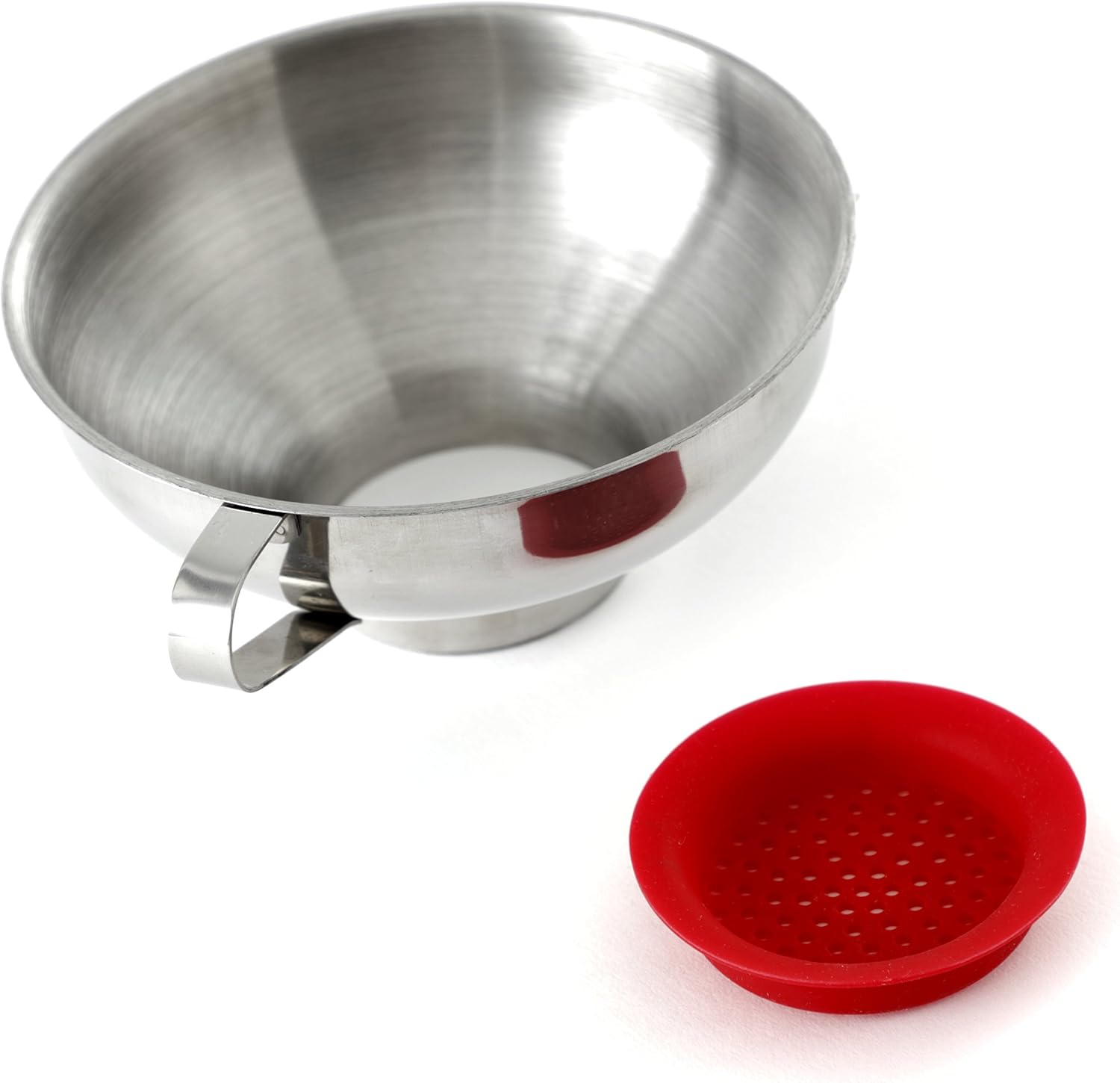
Norpro 5.5-inch stainless steel wide-mouth funnel
The listing gives a 5.5-inch mouth and 2.25-inch stem. Compare the stem and jar opening before ordering.
Check the current listing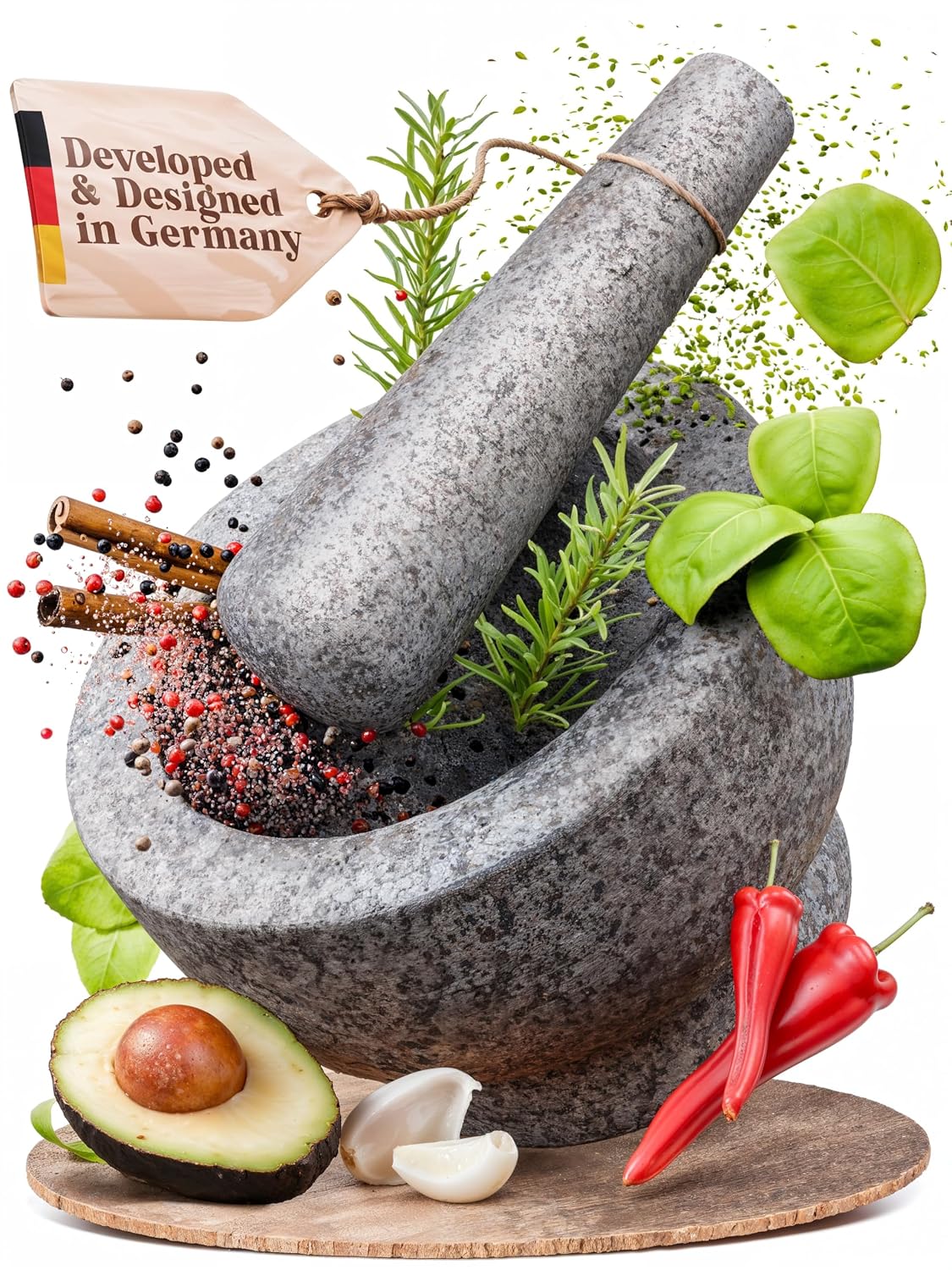
ChefSofi 6-inch unpolished granite mortar and pestle
The listing identifies a 2-cup granite mortar. Check the bowl dimensions and weight against your counter and task.
Check the current listingShould a mortar for dried herbs be stone, wood, or ceramic?
Choose based on the task, bowl size, surface, and cleaning instructions. A product material alone does not tell you whether the mortar fits every botanical or use.
For a stone mortar, compare the dimensions and finish before buying. The ChefSofi listing above is a 6-inch, 2-cup unpolished granite model. Check any alternative model’s dimensions and finish against the task.
Measure your workspace and consider how you will clean and store the tool. Do not use one material as a blanket recommendation for every plant or preparation.
Build a reference shelf for the project
Books are optional. Choose one that matches the question you need to answer, and use more than one reliable source when identifying a plant for harvest.
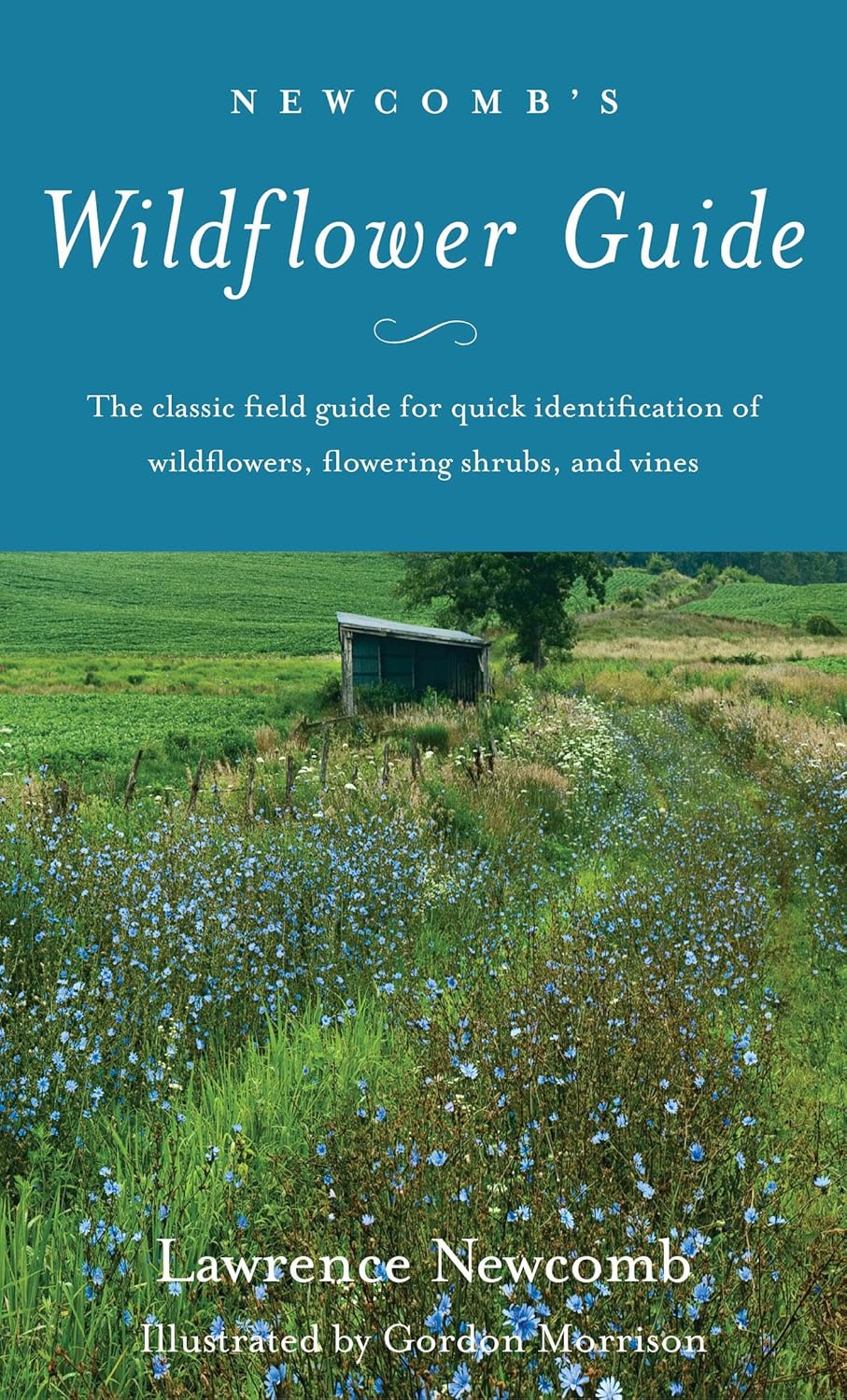
Newcomb’s Wildflower Guide
A field-guide title for North American wildflowers. Use it as one reference; do not rely on a single guide to confirm an identification before harvest.
Check the current edition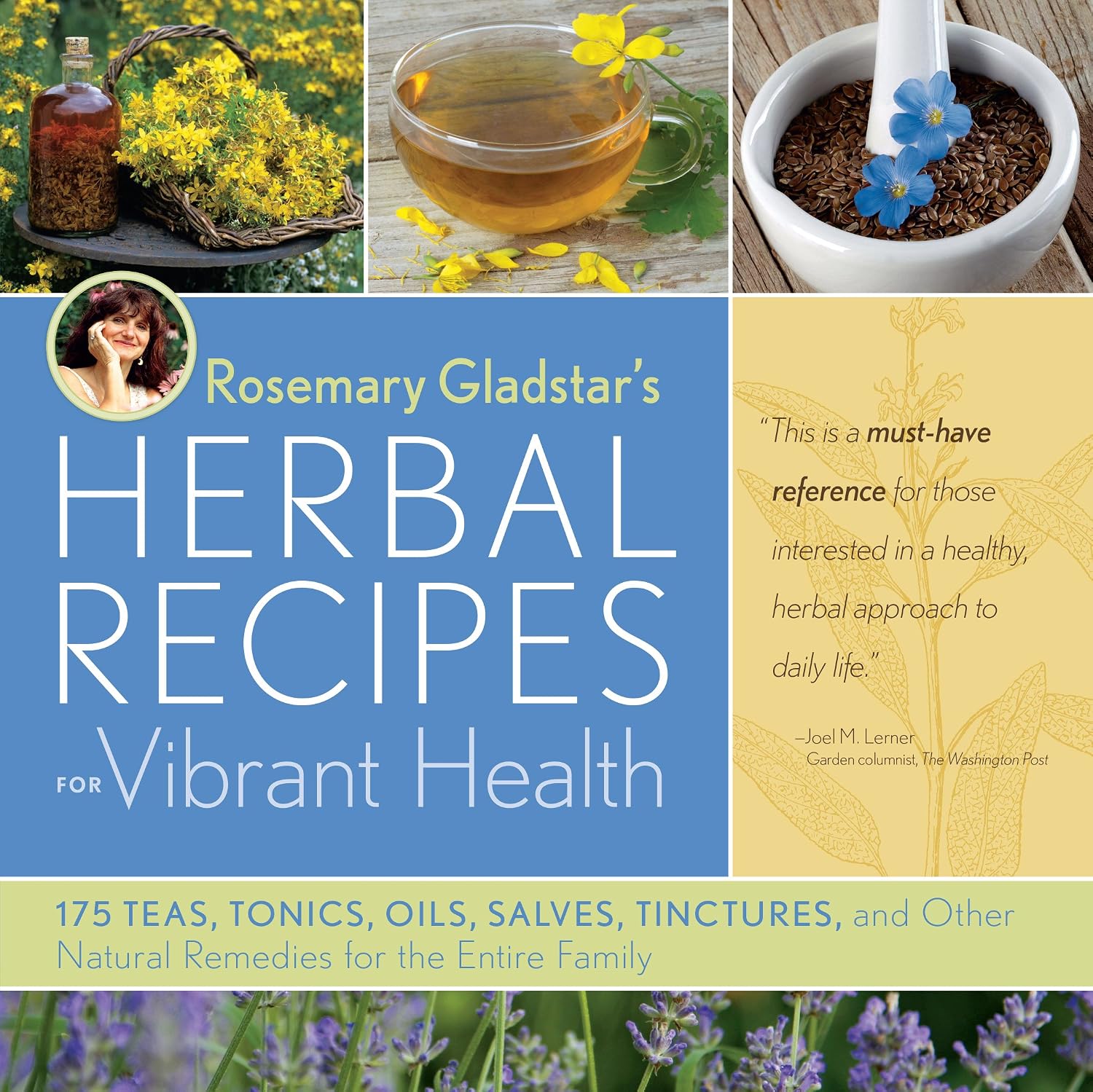
Rosemary Gladstar’s Herbal Recipes for Vibrant Health
Check the current table of contents and edition to see whether the projects match your shelf. A book listing is not a substitute for current safety guidance.
Check the table of contentsWhat can wait until later?
Bulk vessels, extra colors of matching jars, specialized tools and project botanicals can wait until a real storage or craft need appears. A tidy-looking kit is not a reason to replace containers that already fit their job.
Keep craft materials separate from everyday food storage. This page does not cover medicinal preparations, dosing, extraction, preservation, candle making or product safety.
Continue with the next decision
For jar capacity and shelf fit, use the calculator. For labels, check the straight area on the jar. For amber versus clear glass, consider the shelf location and maker’s instructions.