
Measure the straight label area
Measure the flat vertical wall between the bottom heel curve and top shoulder, then choose a label that leaves a little margin. A jar’s capacity does not tell you its label area. If the wall tapers, has a seam, or curves sharply, try a smaller paper shape before ordering.
Use a ruler or a strip of paper to mark the widest and tallest comfortable area. Check the front, back, and any seam separately. A label can fit on the front while still catching on a nearby jar or lifting at a curved edge.
For a precise shelf plan, measure the container before choosing the label. The jar sizing worksheet measures outside dimensions; check the label surface separately.
Choose front labels or lid labels
Use a front label when you want the herb name visible while the jar stays on the shelf. Use a lid label when the jars are stored in a drawer or tray and the top is the view you actually get. Choose one primary location before designing a set.
If you keep botanical names on a label, the frankincense field guide lists Boswellia carterii / serrata.
Front label
Best for an upright shelf
Keep the name and a short identifier visible without lifting the jar. Leave enough blank space that small type does not disappear on a curved wall.
Lid label
Best for a drawer or tray
Use the lid when the container tops face you. Check that the closure can still open without catching the label’s edge.
Both
Use only when retrieval needs it
A second label adds cost and another surface to keep consistent. Reserve it for a shelf where the jar orientation changes often.
Compare label methods
Match the label to the jar shape and how often you change its contents. Listings identify the product and package, but they do not establish fit or clean removal on your jar. Test one sample first.
| Method | May suit | Verified listing details | Check before use |
|---|---|---|---|
| Embossed tape | A short label on a straight section of a jar or tin. | The DYMO listing identifies an embossing label maker and says three tapes are included. | Confirm the selected tape width and test readability, adhesion, and removal on the actual surface. |
| Tie-on paper tag | A jar with a neck or closure that can hold a tag; useful when contents may change. | The selected LWR Crafts listing is for 100 white heart-shaped tags with jute twine. | Check that the tag and loop fit without interfering with the lid. |
| Labels bundled with jars | A smooth jar wall where a sticker can lie flat. | The 24-piece jar listing includes bamboo lids, shaker lids, a funnel, and 360 waterproof labels. | Check label dimensions and test adhesion and removal; the listing does not establish performance on every jar. |
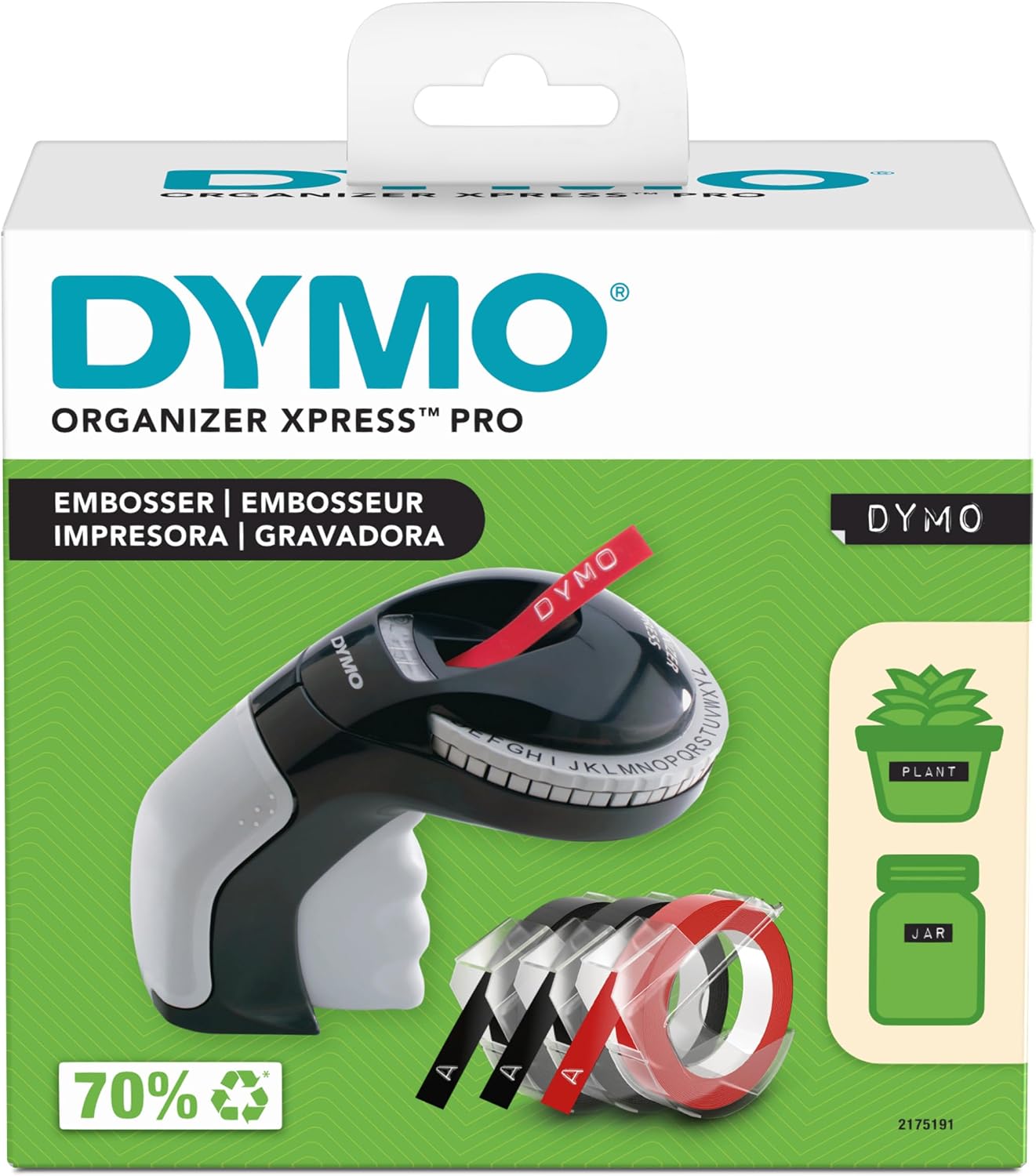
DYMO Organizer Xpress Pro embossing label maker
The listing identifies an embossing label maker and three included tapes. Check the selected tape and test the label on your jar.
Check the current listing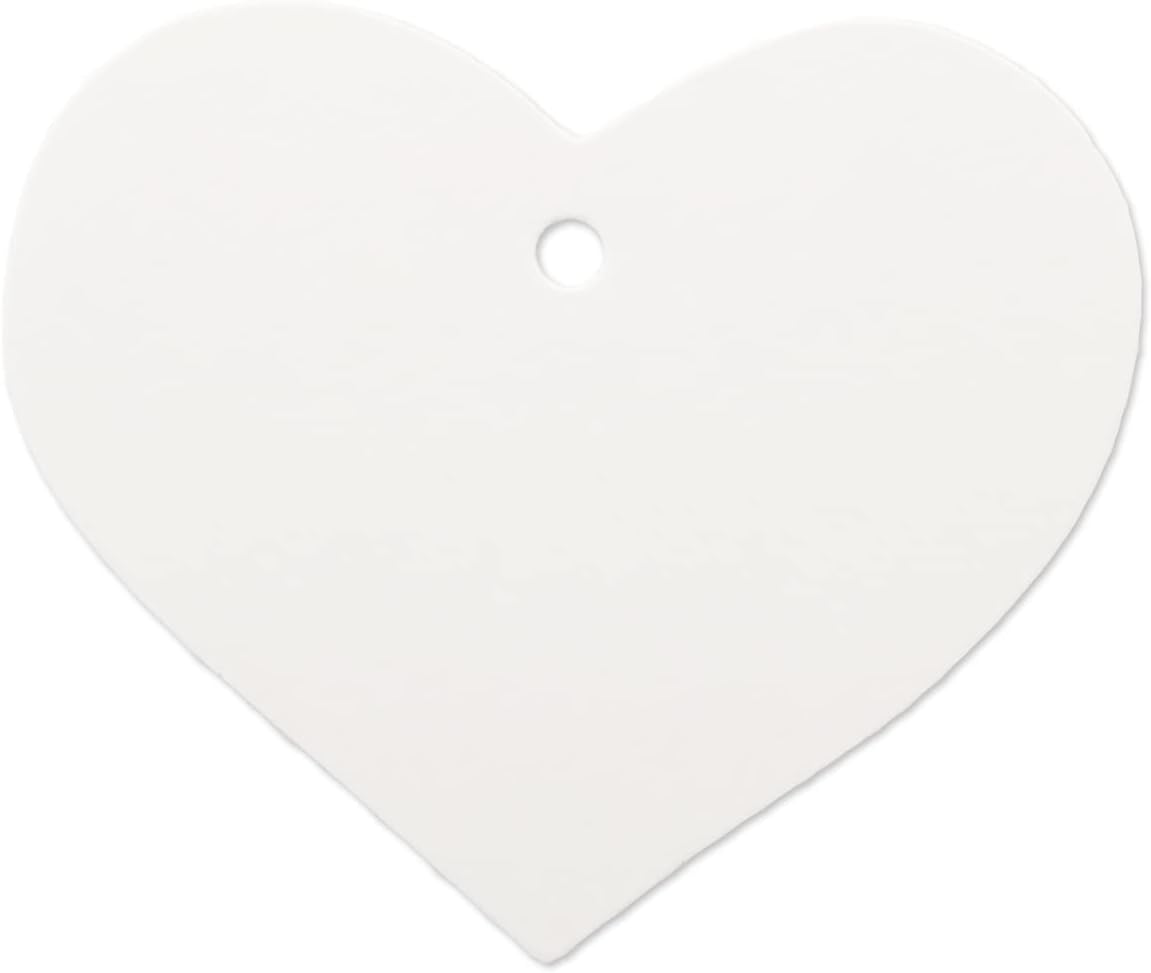
White heart-shaped paper tags with jute twine
The selected listing is for 100 white tags and 100 feet of twine. Check tag size and attachment before ordering.
Check the current listing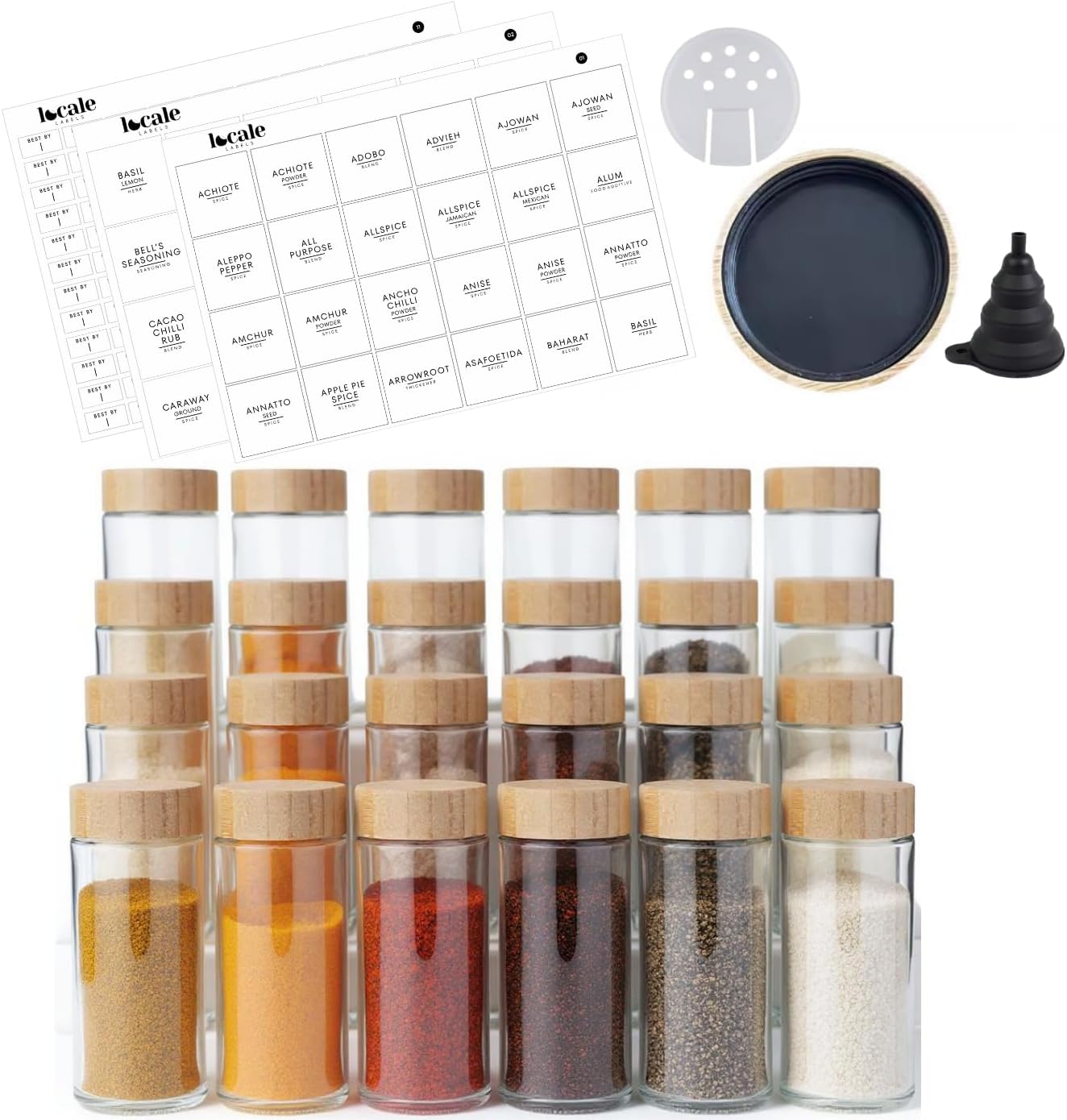
Glass spice jars with bamboo lids and labels
The 24-jar listing includes shaker lids, a funnel, and 360 waterproof labels. Check dimensions and label fit before ordering.
Check the current listingWrite a complete apothecary label
Use four fields to make the container and its intended use easy to identify.
- Common name. For example, German chamomile.
- Botanical name and plant part. Record the binomial and the part in the jar, such as Matricaria chamomilla flower heads.
- Source and batch date. Note the source and the month and year opened or harvested.
- Use boundary, when needed. Mark materials not intended for food use as CRAFT ONLY / DO NOT INGEST.
Printable blank herb jar labels
Use the sheet below on plain paper at actual size. Check one paper label against your jar, then cut the labels by hand.
You can also use your browser’s Print command.
Print one paper trial first
Print or cut one paper mockup at the intended size and place it on the jar before using adhesive stock. Check the name from your normal viewing distance, open and close the lid, and rotate the vessel. This catches fit problems before you waste a sheet.
- Use the real container. A flat sample or a product photo cannot show every curve, seam, or lid movement.
- Use the real type size. Read the label from the place where the jar will live, not only from your desk.
- Test the routine. Lift the lid, move the jar, and place it beside its neighbors before committing to a sheet.
What to check beyond label fit
A label fit test tells you whether the shape and placement work on one container. It does not establish waterproof performance, removability, food-storage suitability, or a cleaning guarantee. Keep the intended use on the label and follow the label maker’s current material and printer instructions.
- Browse the Amazon product catalog for labels and jar sets, then check the current details before ordering.
- For shelf dimensions, use the jar sizing worksheet.
For a direct choice between mechanical embossed tape and tie-on tags, see embossed labels versus Kraft hang tags.