
Compare the straining and pouring tools
Use a mesh strainer to support a cloth filter, then collect the filtered oil in a clean container suited to your project. Pressing the cloth is optional; do not assume it recovers a fixed amount or removes all sediment.
| Stage | Tool example | What to check |
|---|---|---|
| Filter | A stainless mesh strainer lined with Grade 90 cheesecloth. | Check the cloth material and size, and whether the strainer rests securely over your collection vessel. |
| Optional pressing | A kitchen potato ricer for a cloth bundle that fits the hopper. | A ricer is a kitchen press, not a dedicated botanical press. Use a small amount first and do not force the handle or tear the cloth. |
| Melt or transfer | A small double-boiler pot, when called for by the instructions for your project. | The listing checked here is 480 mL. Follow the tool and material makers' directions; this guide does not give a temperature or formula. |
| Container | A screw-lid aluminum tin for a project whose instructions call for that container type. | Check the current size, material, closure, and compatibility with the intended contents. |
Keep the process within the tool setup
- Set up the filter. Place the strainer over a stable collection vessel and arrange the cloth so it can be removed without spilling.
- Pour and inspect. Let the liquid pass through, then check whether the collected material meets the particle level you want for the next step.
- Press only if useful. If the cloth bundle fits a kitchen ricer, pressing may release some remaining liquid, but the amount varies and finer particles may pass through.
- Use the project's instructions. Choose any heating, mixing, or container steps from an appropriate formula and the makers' directions for the materials.
Current tools and container examples
These listings are examples to compare, not hands-on tests. Check current materials, selected size, dimensions, and use instructions before buying.
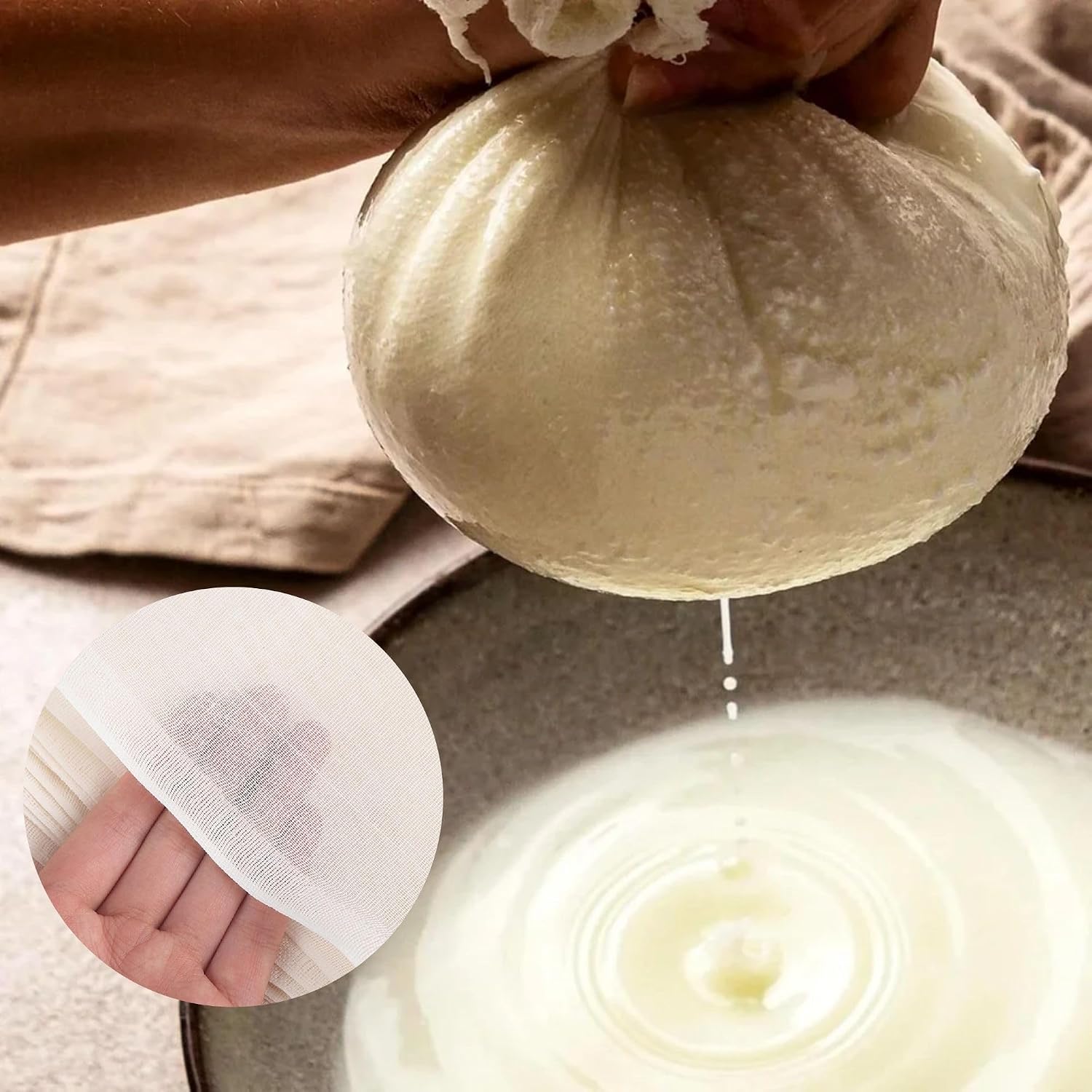
Grade 90 unbleached cotton cheesecloth, 2 m
A cloth filter option. The current listing title describes Grade 90, reusable, unbleached cotton; check the selected length and material details.
Check the current cloth listing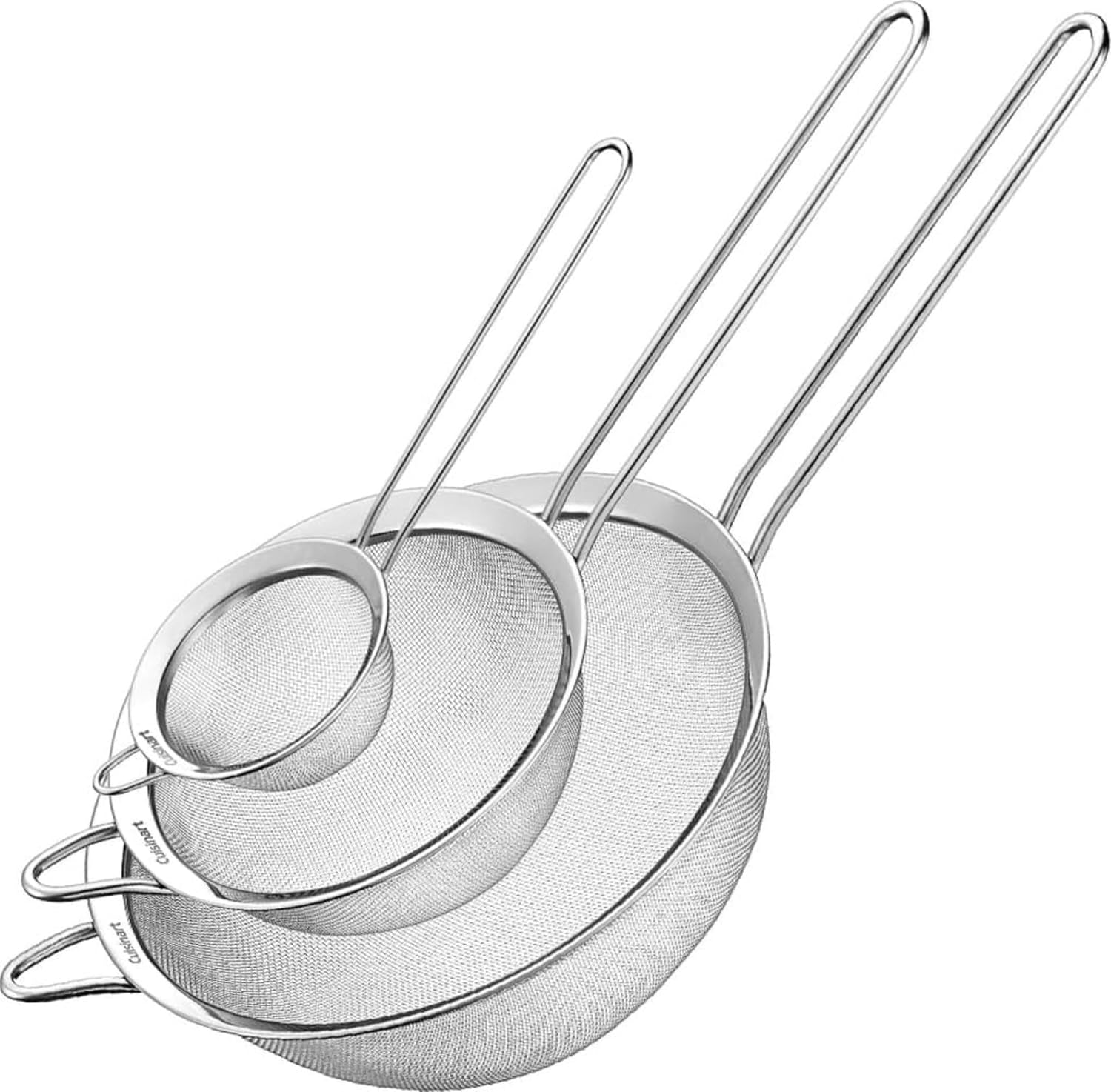
Cuisinart stainless-steel mesh strainers, 3-piece
A graduated strainer set to compare with the opening of your collection vessel. Check each current size and care direction.
Check the current strainer set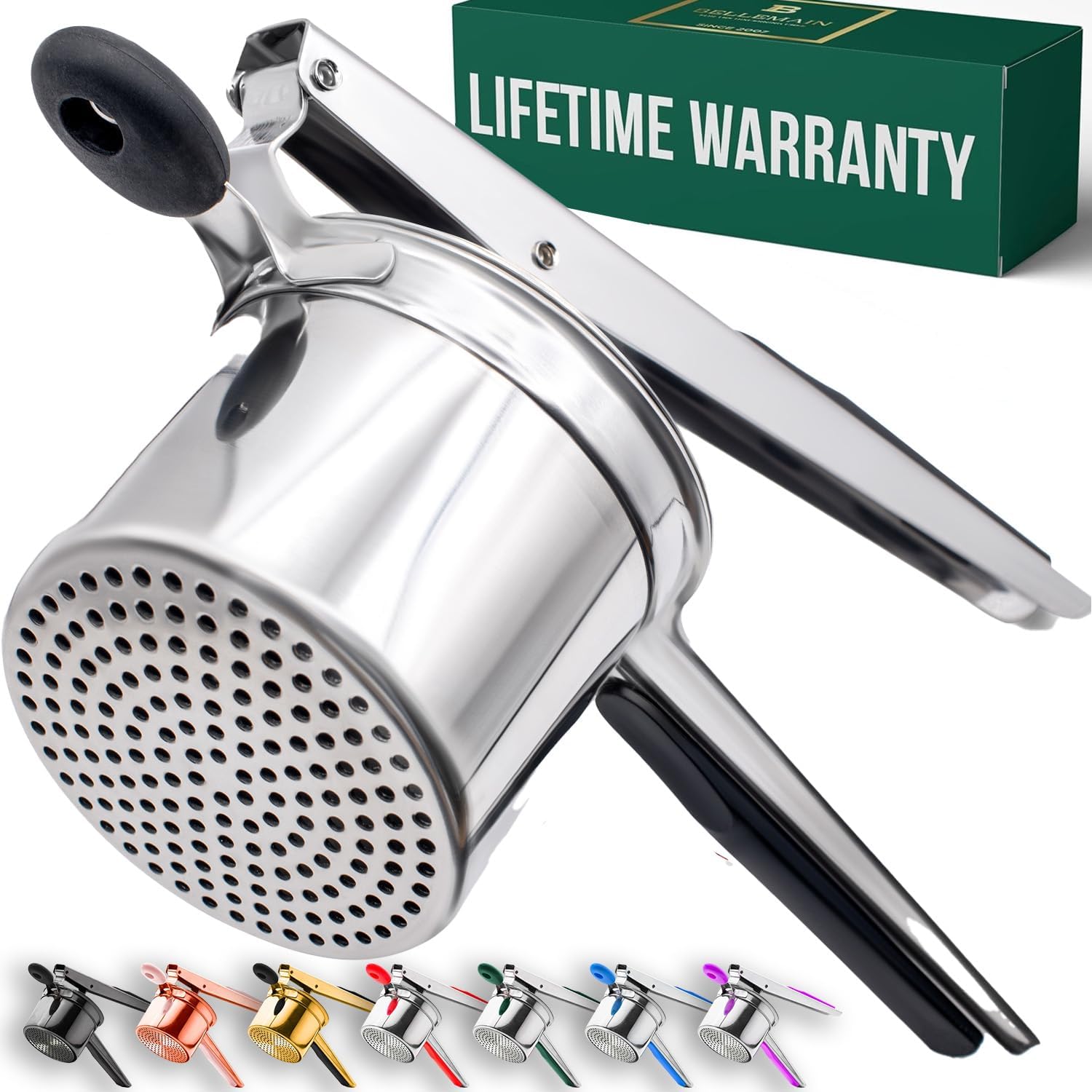
Bellemain stainless-steel potato ricer
An optional kitchen press if the cloth bundle fits its hopper. The current listing is a potato ricer; check its care directions and do not force an oversized bundle.
Check the current ricer listing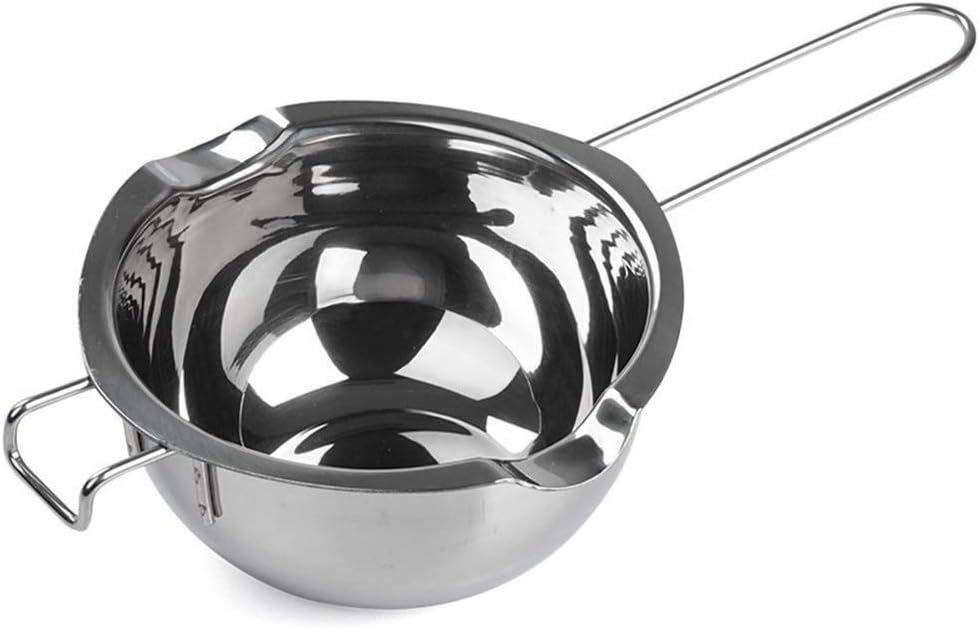
Stainless-steel double boiler pot, 480 mL
An optional tool for a project whose instructions call for indirect melting. Check its current size and use directions.
Check the current pot listing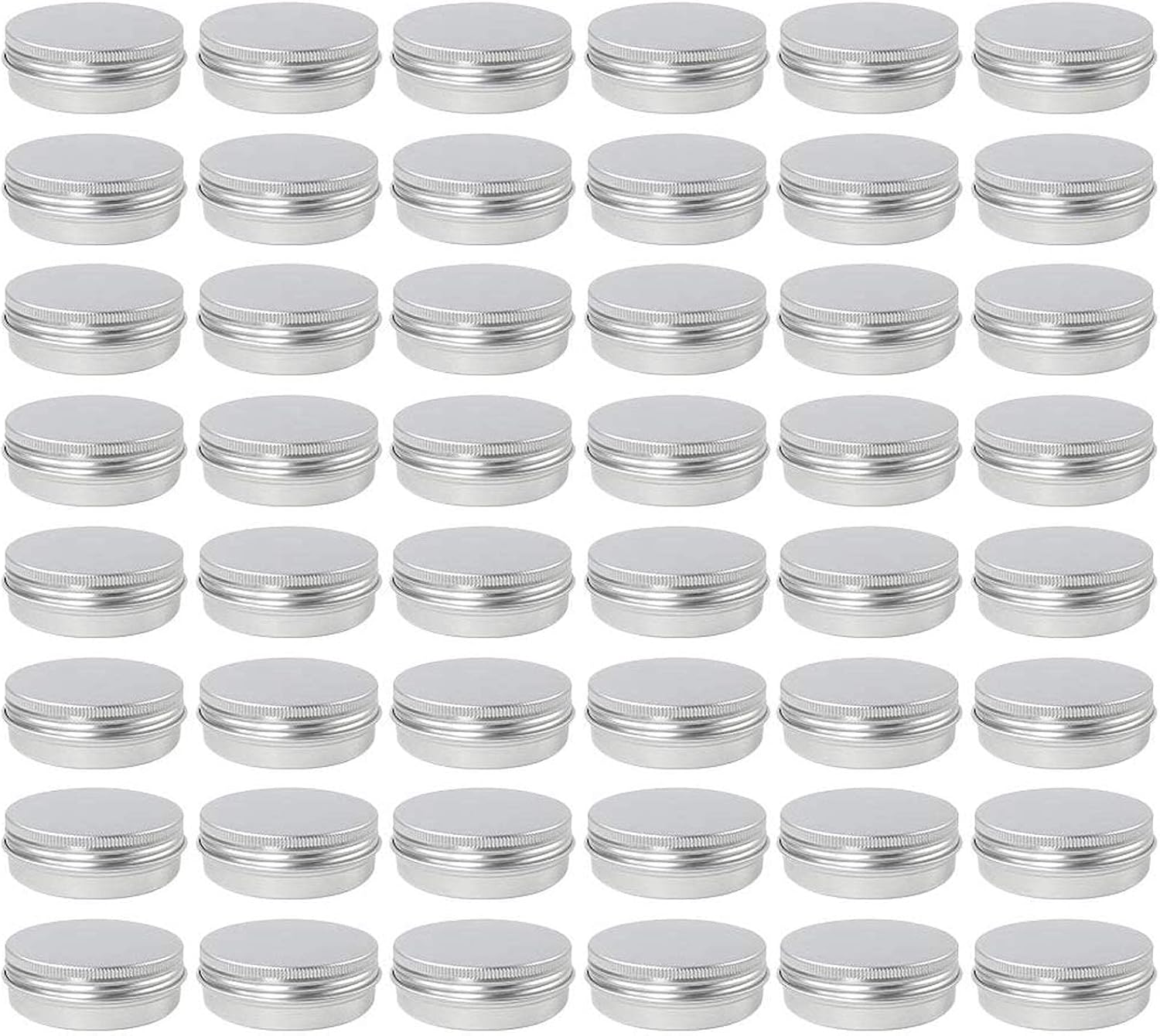
Moretoes 2 oz aluminum tins, 48-pack
A multi-tin option when the current size, aluminum material, and screw lids suit your project. Check compatibility and storage guidance before filling.
Check the current tin detailsWhat this guide does not establish
This page covers equipment and filtration only. It does not provide an infused-oil or salve formula, a preservation method, a safety assessment, or shelf-life guidance. Straining or settling alone does not establish that a preparation is safe or stable.
The word herbal does not establish food, topical, or medical suitability. Use appropriate, sourced instructions for the specific materials and intended use.
For container measurements and labels, see the herb jar label guide. Read our disclosures before using an affiliate link.
Common questions
Will a ricer recover all of the oil?
No fixed amount can be assumed. Some liquid may remain in the plant material or cloth, and pressing can release more fine particles. Stop if the cloth strains or the bundle does not fit comfortably.
Does straining or letting a jar settle preserve an infused oil?
No. Filtration and settling are equipment steps, not a preservation method or shelf-life assessment. Follow a suitable source for the exact material and intended use.