Name the project before you shop
Write down how many sachets you intend to make, where they will be used, and whether the pouch will be sewn or ready-made. Use those choices to pick the bag dimensions and estimate how much botanical you need. This is a craft project, not health or treatment advice.
A simple supply list has three jobs: hold the dry material, contain the botanical, and identify the intended use. Add ribbon or embellishment only after the pouch itself works for the project.
If you want a shelf plan as well, keep the finished project separate from the storage containers in the starter pantry checklist.
What a lavender sachet project actually needs
For a first batch, choose a pouch, a clearly identified dried botanical, and a container for leftovers. Check the bag size before buying supplies.
| Tier | Supply | Planning note |
|---|---|---|
| Required | Dried lavender buds | Check the package contents and net weight. About 1/2 cup (12–15 g) per 4 × 4 inch sachet is a starting estimate, not a fixed fill amount. |
| Required | One pouch per sachet | Choose a ready-made breathable bag or fabric square sized for the project. A ready-made bag skips sewing. |
| Required | A labeled container for leftovers | Four starting portions total about 2 cups. Two 8 fl oz containers provide about that volume; actual fill depends on the buds and pouch. |
| Optional | Funnel, scale, or gift tag | Add a tool or embellishment only if filling, dividing, or gifting the first batch calls for it. |
| Skip for now | Essential oils, a pound-size bag, or display jars for finished sachets | Start with the named project and a small amount. Add another supply only when a later project needs it. |
Choose a bag and botanical that match
Choose a breathable pouch sized for the project and dried lavender whose package lists its contents and net weight.
- For a ready-made bag, check its inside dimensions and fabric.
- For dried lavender, check the botanical name or package contents and net weight.
- For a sewn pouch, choose the fabric and finished size before estimating the fill.
Do not assume every listing describes the same pouch size, fabric, botanical, or amount. Match the current package details to the project before buying.
Optional tools and storage
These tools can help with filling, labeling, or storing supplies. They are optional; the pouch and identified botanical come first.
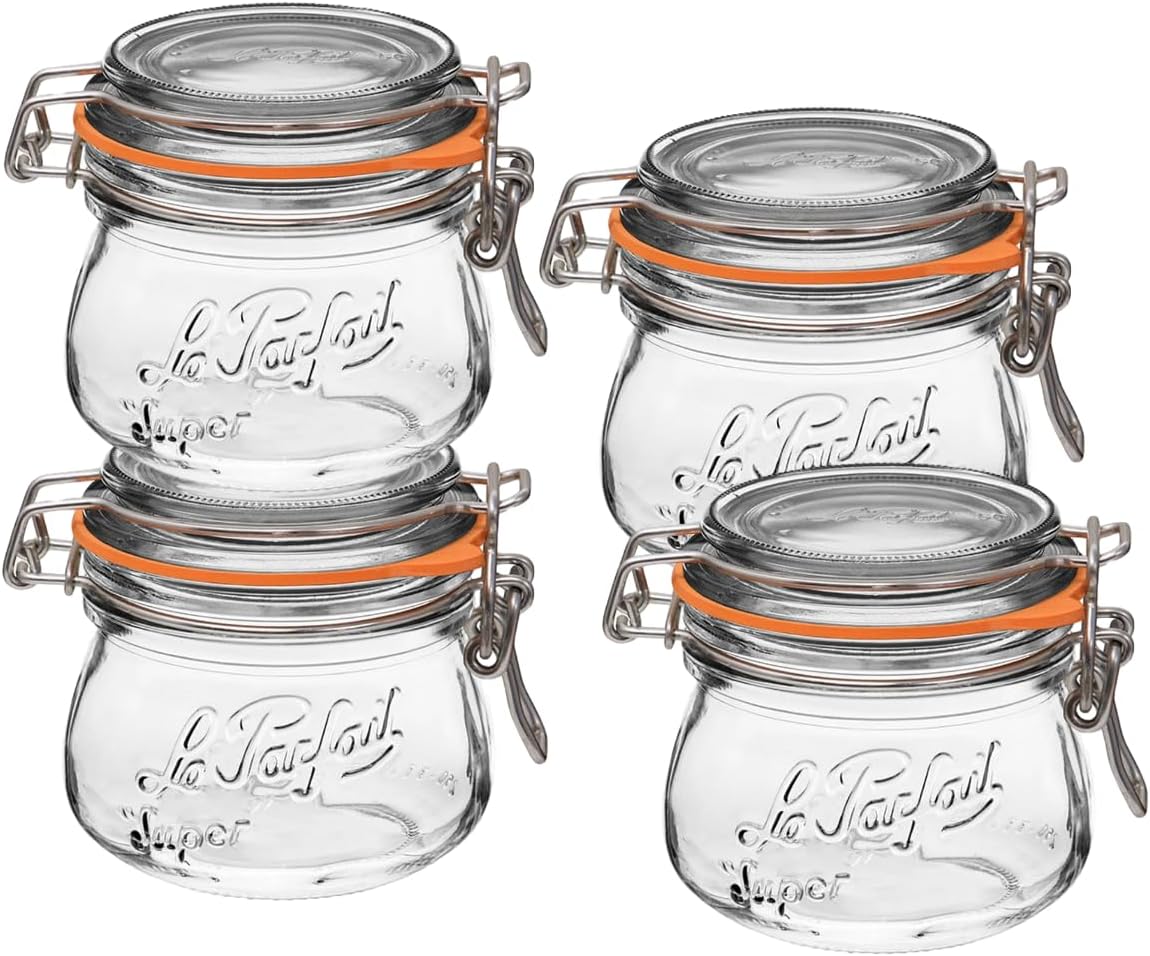
Le Parfait 250 mL wire-bail jars, 4-pack
The listing describes 250 mL jars and an 8 oz capacity. One holds a little over 1 US cup by volume, so four sachet starting portions would need about two jars’ capacity.
Check the current listing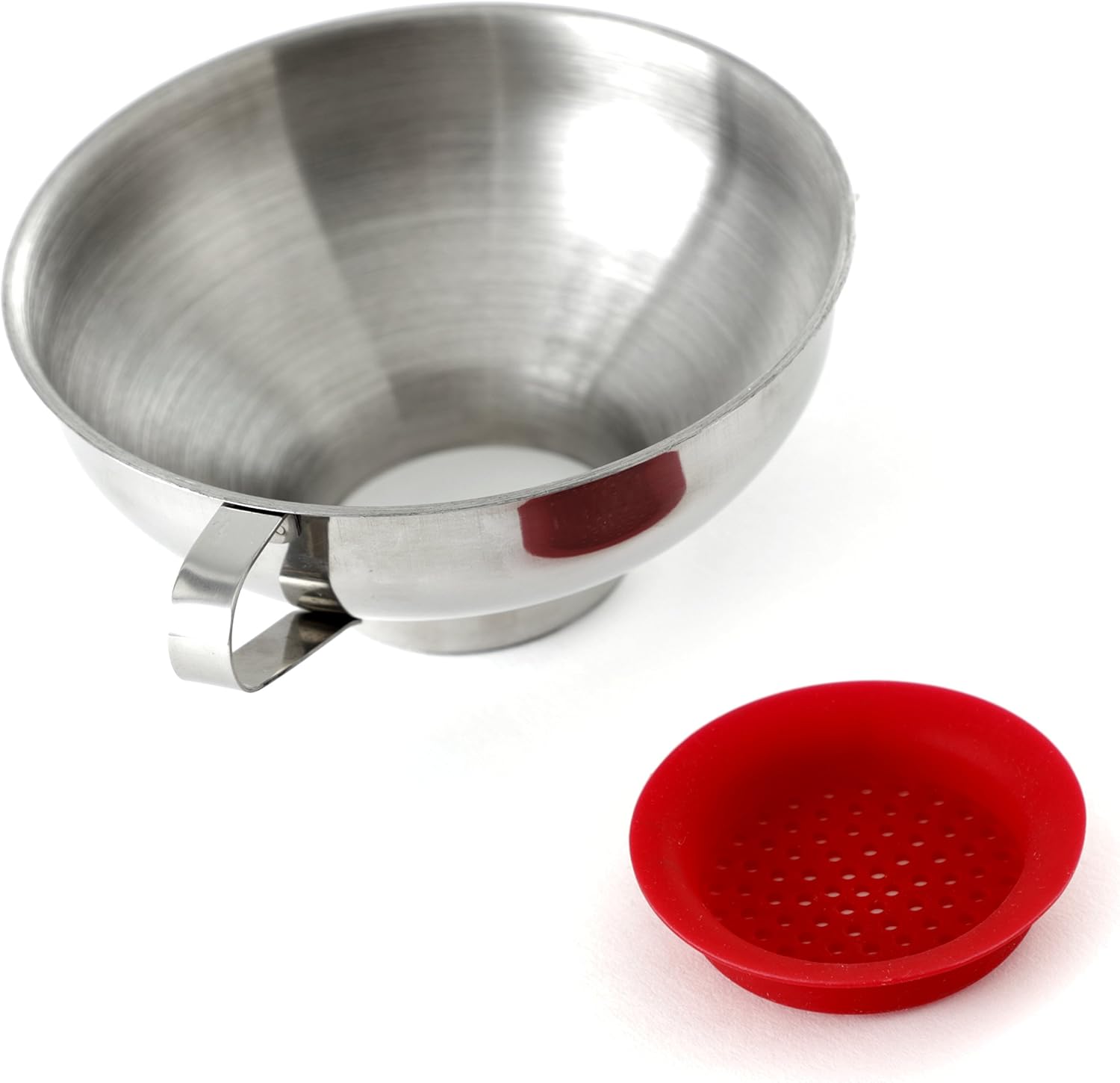
Norpro stainless steel wide-mouth funnel
An optional transfer tool. Check the current listing dimensions against the jar opening and pouch before ordering.
Check the current listing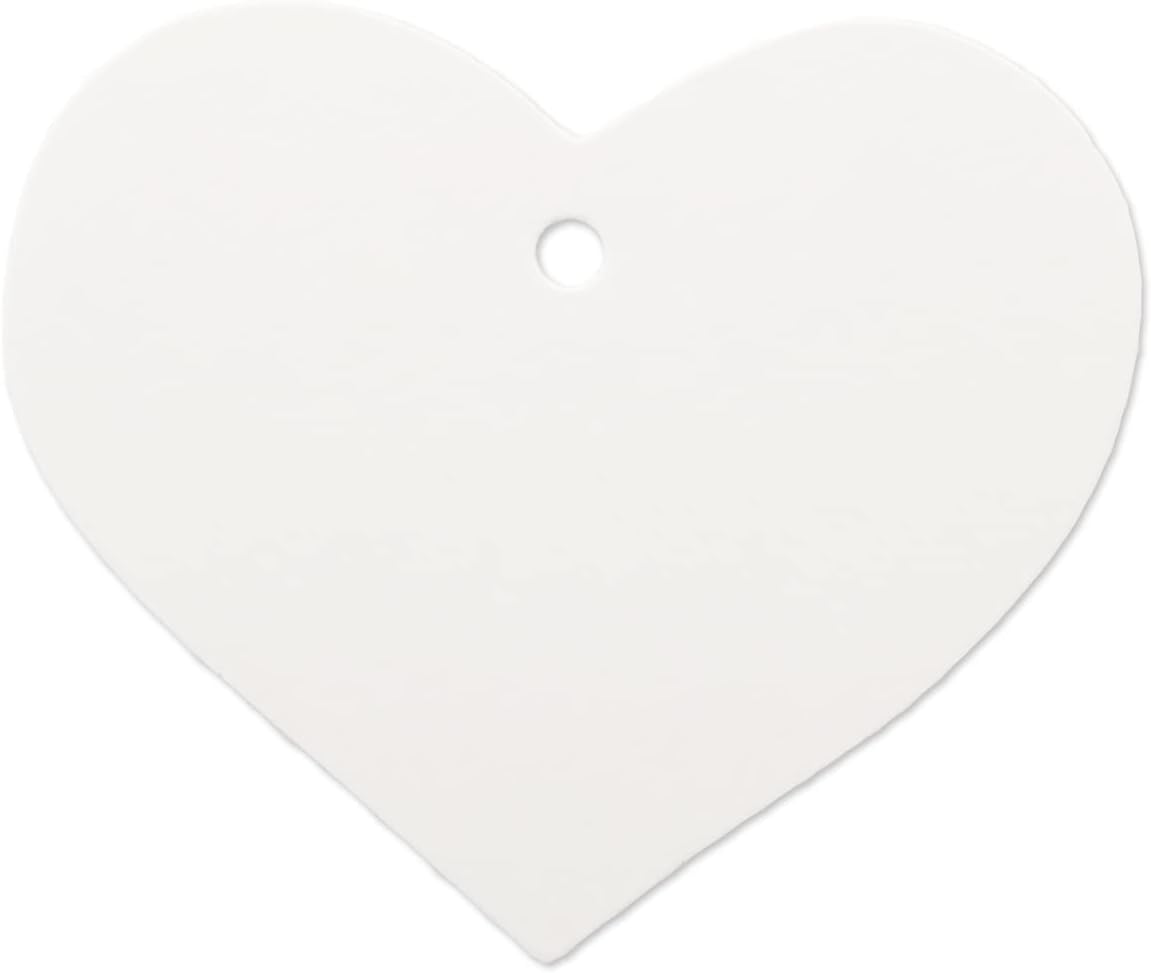
White paper heart tags with jute twine
The selected listing is for 100 tags and 100 feet of twine. An optional way to mark gift sachets.
Check the current listingPlan a manageable amount
Do not use a universal fill weight for every sachet. A 4 × 4 inch pouch may start around 1/2 cup (12–15 g); four such portions are about 2 cups (roughly 48–60 g by that estimate). Bag size, flower shape, packing, and the finished feel change the amount.
- Count the pouches. Buy for the named project rather than an imagined craft business.
- Test one bag. Leave room for the drawstring and the finished shape to close comfortably.
- Record the result. Keep the bag size and your measured amount with the project notes.
Store leftovers as a separate material
Keep unused lavender in its original labeled package or another clearly identified dry container, away from heat and light. Store empty bags and embellishments separately. A leftover supply is easier to use later when its identity, intended craft use, and date are still obvious.
Do not move a craft botanical into the food or medicinal part of your shelf just because the container is available. Keep the project scope visible in the label and in the storage location. For candle projects, the candle guide explains why dried botanicals stay out of the wax.
What to confirm before buying or using
A listing cannot establish a therapeutic effect, safe ingestion, allergy suitability, preservation time, or a fill amount that works for every pouch. Follow the supplier’s current label and use instructions.
- For pack-size planning, use the small-pack versus bulk guide.