Count the named project first
Start with the project you can describe: one sachet, a set of gift bags, a labeled jar, or another craft with a known count. List the botanical and the number of finished pieces before comparing pack sizes. A shopping basket is not a measurement.
Keep the intended use visible. Craft botanicals, culinary ingredients, and medicinal preparations should not be treated as interchangeable categories just because they share a plant name.
For a named lavender sachet, use the sachet supply guide first. It keeps the bag and botanical decisions together.
Compare pack sizes with the project math
The yields below are arithmetic planning examples using the amounts shown. They are not a universal fill amount or product recipe; compare each package’s actual contents and net weight.
| Project | Example amount per unit | Small pack yield | 1 lb yield | Buying and storage call |
|---|---|---|---|---|
| 4 × 4 inch sachet | About 14 g per sachet | 1–2 sachets | About 32 sachets | Start with a small pack for a few pouches; bulk suits repeat projects with a planned storage container. |
| Melt-and-pour soap topper | 1–2 g per 4 oz bar | 7–28 bars | About 227–454 bars | Use the amount in the named project and check the botanical package before buying a larger quantity. |
| 30 mL display vial | 3–6 g per vial | 2–9 vials | About 75–151 vials | Small packs are a better match for a few vials; the finished fill varies with plant shape and packing. |
| Culinary loose-leaf tea | 2.5–3 g per 8 oz mug | 5–11 mugs | About 150–180 mugs | Keep this example to herbs sold and labeled for culinary use; plan storage for the remaining amount. |
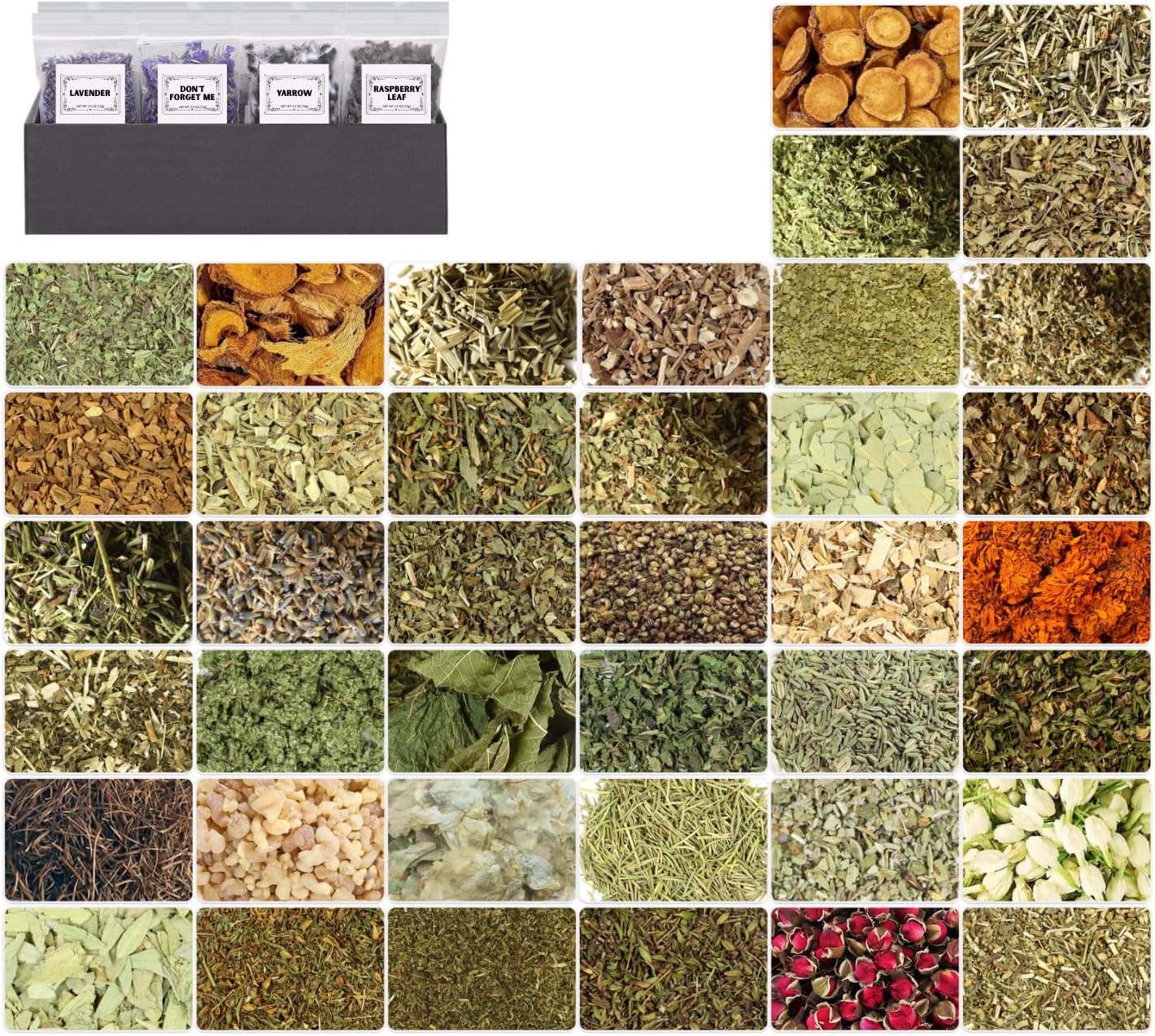
40-pack dried herb and flower kit
The listing says 10 g per bag. Check the botanical names and package contents against the project.
Check the current listing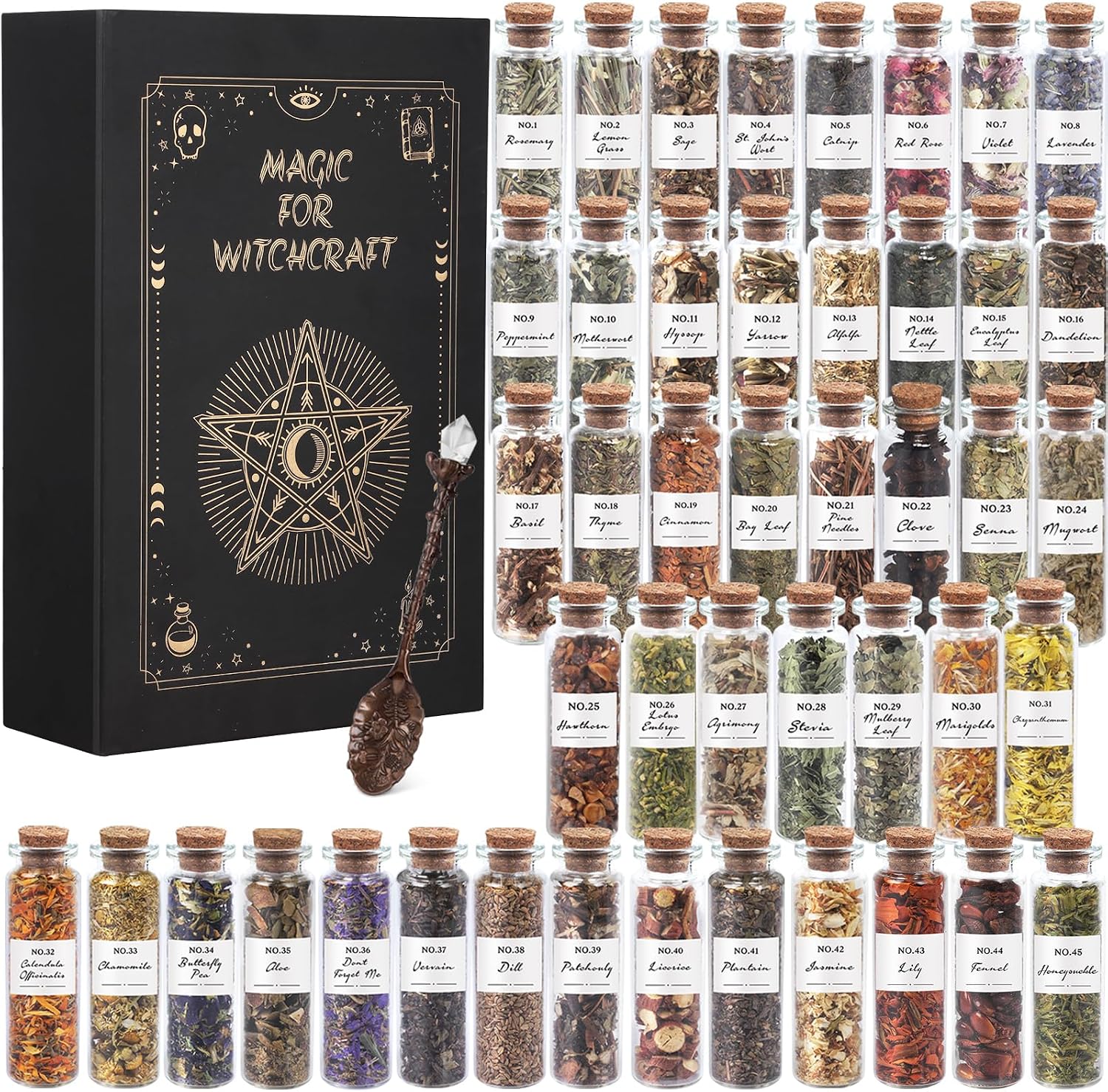
45-bottle dried herb kit
A labeled bottle set for a display project. Check the current botanical list and net contents.
Check the current listing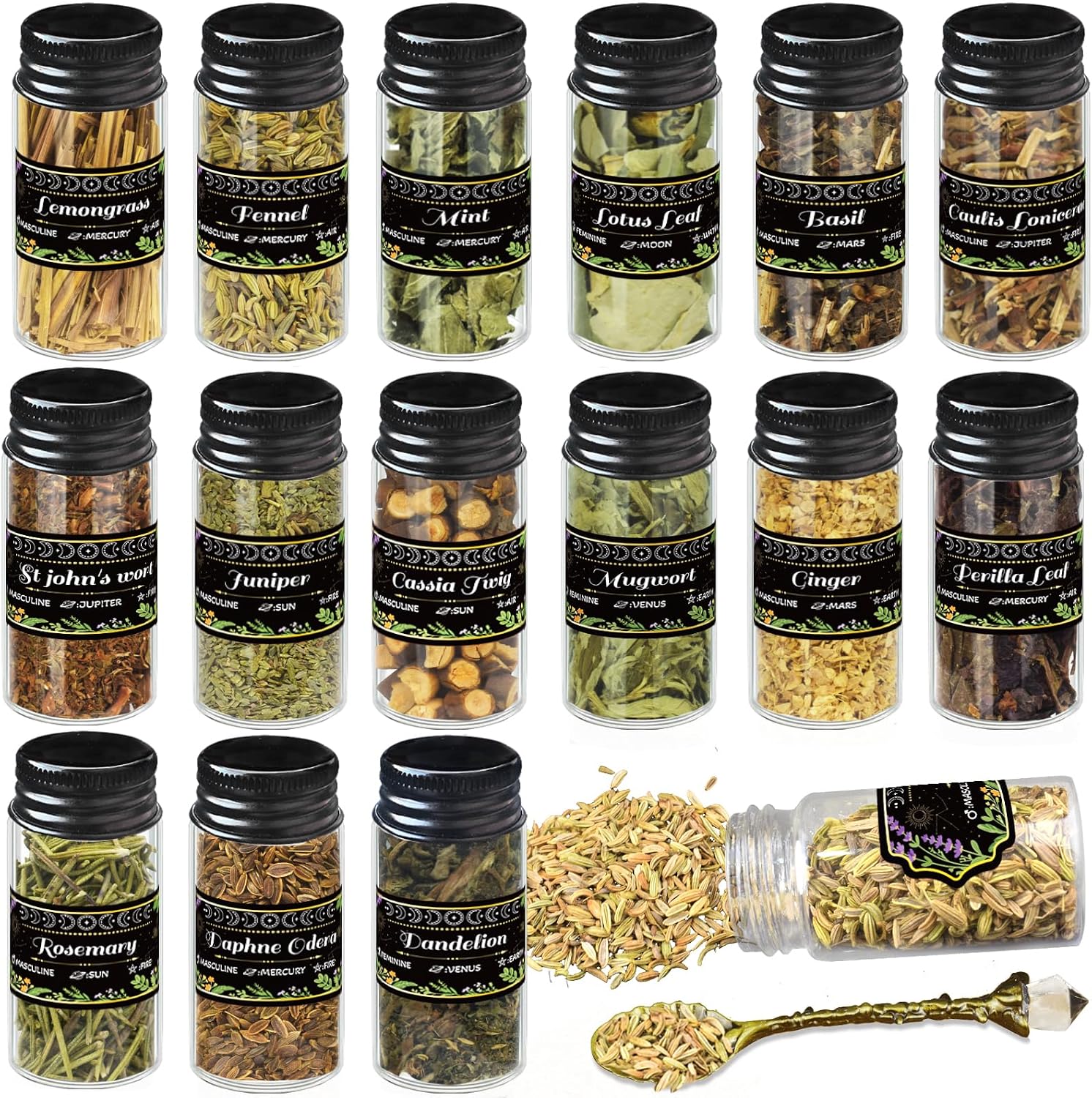
15-jar dried herb kit
Check the current botanical list and the amount in each jar before matching it to a project.
Check the current listing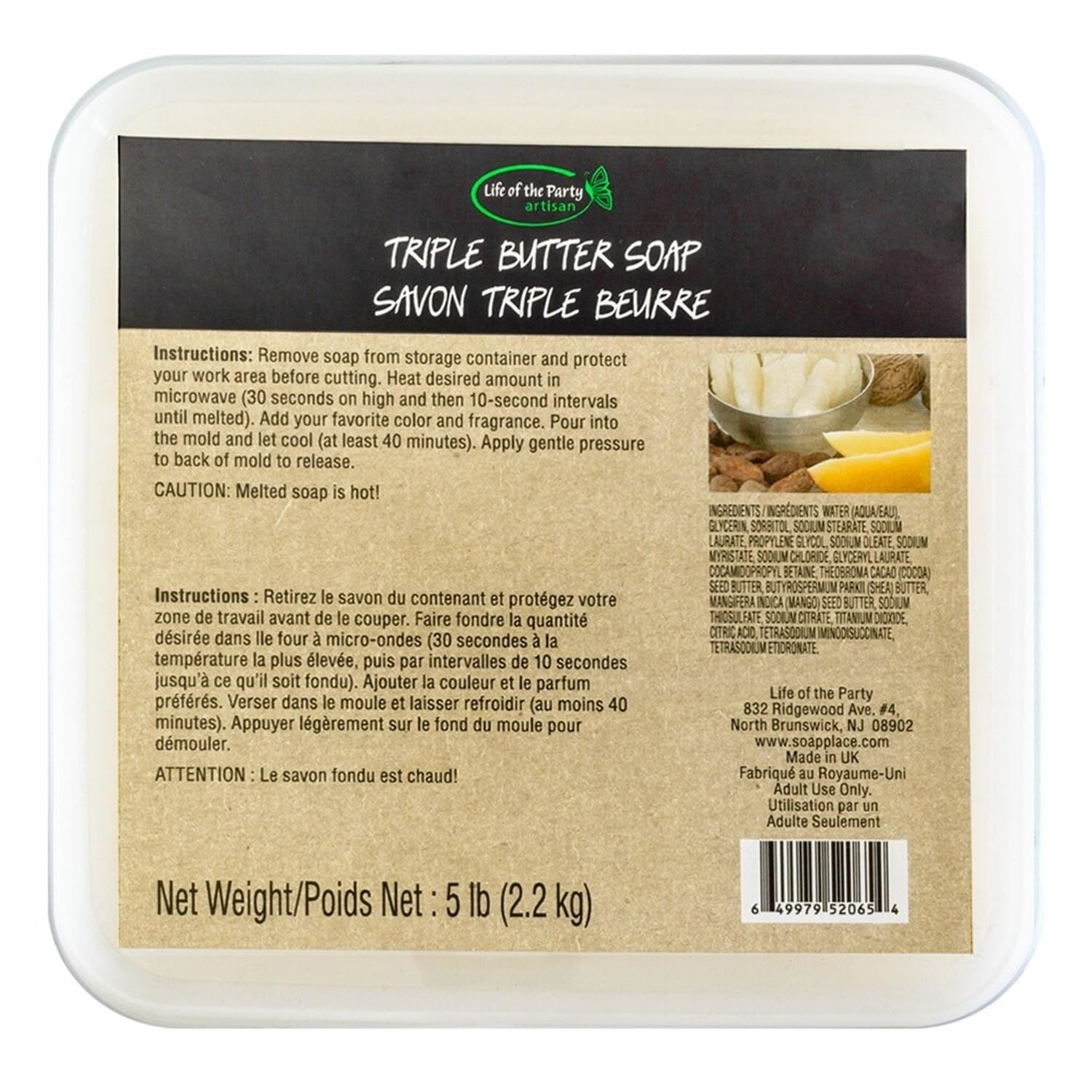
Five-pound triple butter melt-and-pour soap base
The listing identifies a 5 lb soap base. Follow its current package directions for the project.
Check the current listing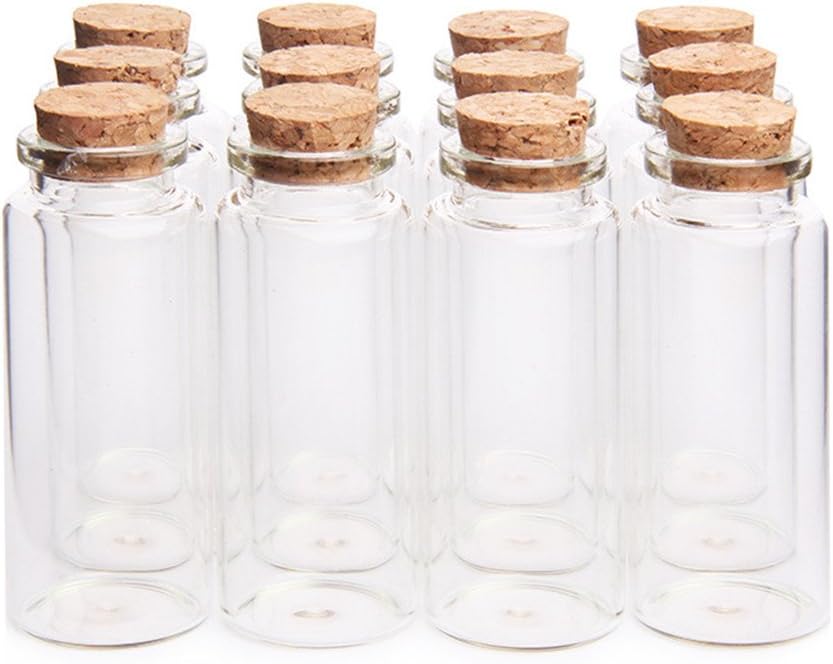
Danmu 30 mL cork vials, 12-pack
The listing identifies 30 mL mini glass bottles with corks. Check the opening and dimensions against your project.
Check the current listing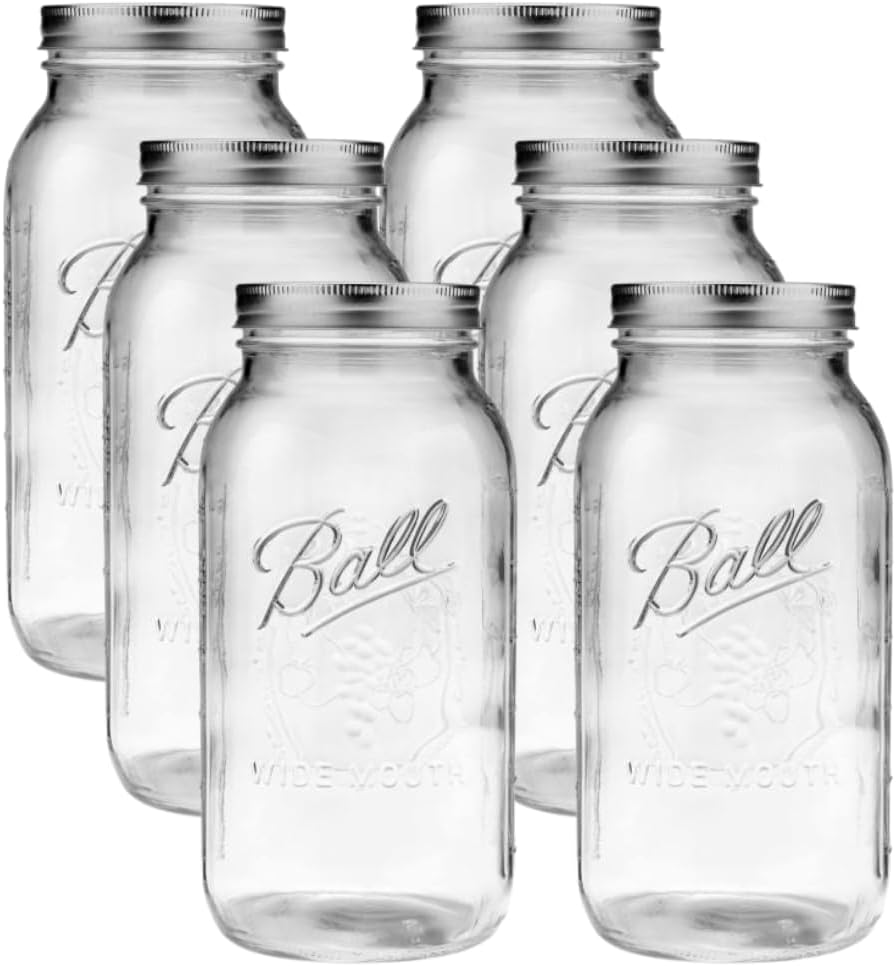
Ball wide-mouth half-gallon jars, 6-pack
A six-jar pack with two-piece lids and bands. Confirm the mouth type and shelf height before buying. The listing’s bullets conflict on the lid type, so check which lids are included.
Check the current listing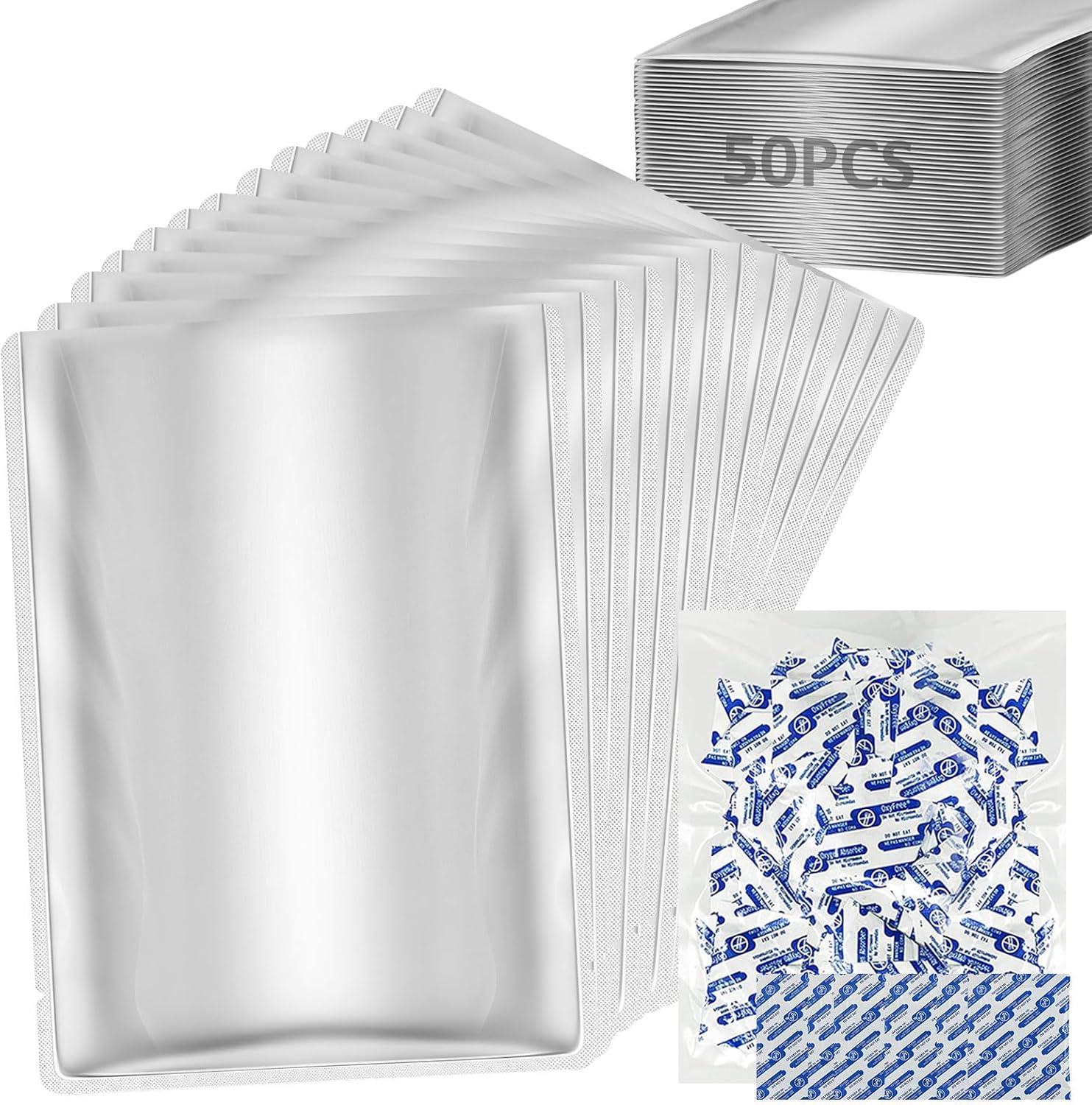
One-gallon Mylar bags
The listing describes 50 bags and 60 oxygen absorbers. It states 8.7 mil total thickness (4.35 mil per side); check package use and instructions.
Check the current listingThe products shown are different formats, not a matched sampler-versus-bulk comparison. Verify the current botanical contents and net quantity before choosing one.
Plan how the remainder will live on the shelf
A larger pack only saves a trip when the remainder has a clear home and a likely next use. Record the botanical name, supplier label, opened date, and intended craft use. If you cannot name the next project or storage location, the smaller pack is usually the cleaner decision.
- Choose a dry location. Keep the original identity and use information with the material.
- Separate the category. Do not move craft material into a food, drink, or medicine without appropriate guidance.
- Note the remainder. Write down what remains after the project instead of guessing from a kit description.
For candle projects, the candle guide explains why dried botanicals stay out of the wax. For peppermint, the peppermint field guide helps you check the botanical name on a pack.
Choose a pack size for your projects
Choose a small pack for a one-off craft, a medium pack for several planned projects, and bulk only when you know you can use and store the extra. Compare package size and contents before choosing between listings.
For repeated work, decant only what the next project needs and keep the remaining material clearly identified. A jar or barrier bag is a container choice, not a guarantee of a particular storage life.
Know what this comparison does not establish
Pack size cannot tell you how much every project needs, how long a material will keep, or whether bulk costs less. Check the supplier's current listing for package details. These products are for crafts, not treatment.
- For current supplies, check the Amazon herb-kit listings and the craft products above.
- For the project scope, see what to buy for a simple lavender sachet.