
How do you keep bath botanicals contained?
Use a suitable bag or strainer to keep plant material together, then take it out before draining. If you already have something that holds the botanicals and is easy to clean, start there.
A closed bag is the simplest option when you want the plants contained from the start. If you are sewing or folding a bag from cloth, check the material and how you will close it. Try a small amount of dry material over a sink first; look for gaps at the seam or opening before bringing it near the tub. Leave room to tie or close the bag without packing it so tightly that pieces press through the fabric.
A metal infuser basket can hold loose material for a small preparation or help separate it from water, provided the basket and handles fit the container and the maker allows the intended use. Tea baskets come in different shapes, so compare the opening and depth with your vessel. If the basket is too small for the amount or hard to lift and clean, use a bag instead. Follow the maker's care directions.
Loose plants placed directly in the tub are harder to collect. Even a careful pour can leave bits around the waterline or near the drain. Containment makes removal a clear final step: lift out the bag or strainer, collect any pieces that escaped, and only then drain the water.
Keep the steps simple from prep to cleanup
Set out a labeled dry material and its bag or strainer before filling the tub. Use only botanicals you can identify.
- Contain it. Put a small amount in a suitable bag and close it securely, or use a strainer that fits the vessel.
- Check appliance rules. If you use a kettle, confirm it is allowed where you live and follow its maker’s directions.
- Remove it before draining. Lift out the bag or strainer, collect escaped pieces, then drain and rinse the tub.
Optional tools and materials
These optional examples cover a bag, strainer, label, or jar. Use what you have if it suits the task, and follow its care directions.
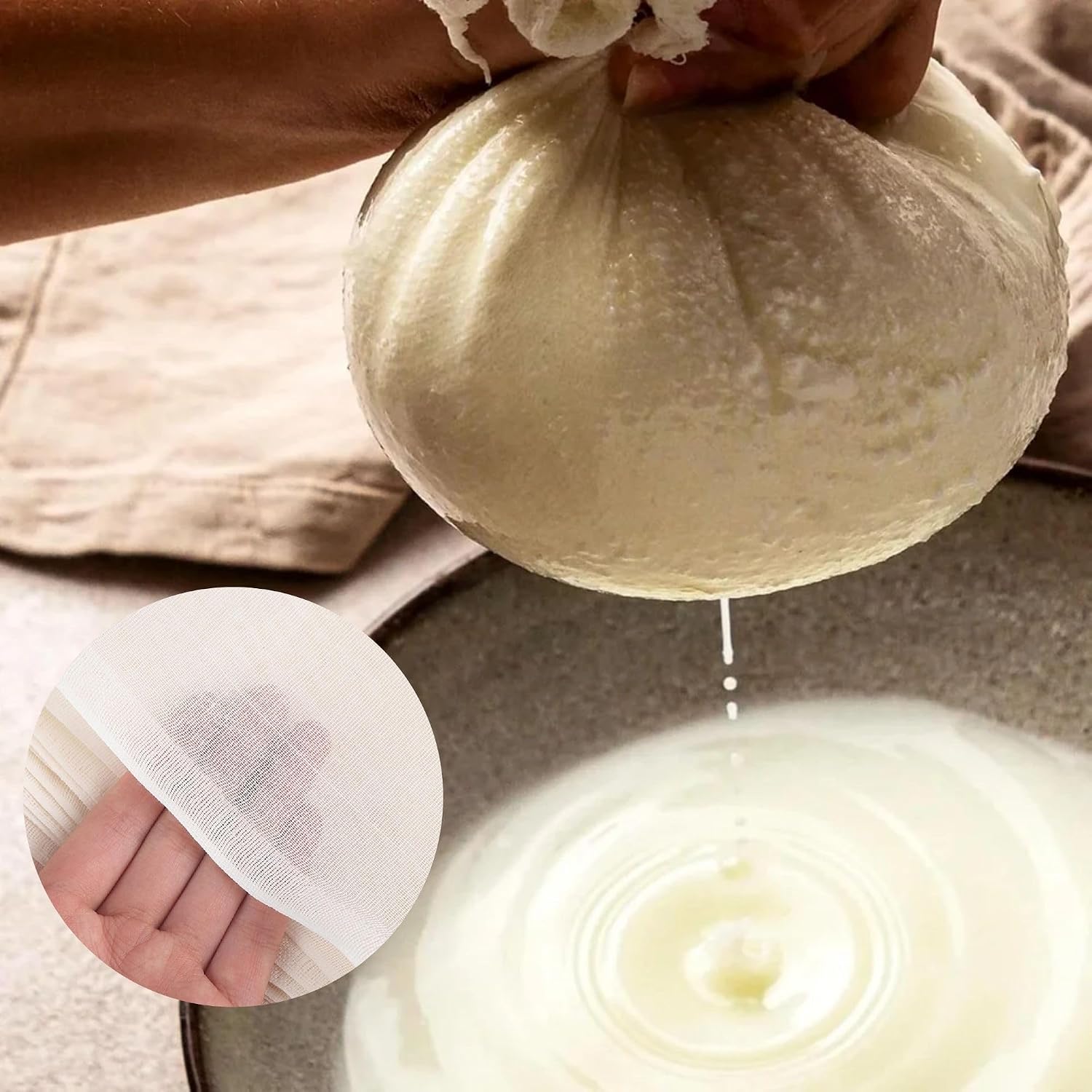
Grade 90 cheesecloth, 2 m
Best for: Containing botanicals before they reach the tub. Skip if: You do not want a reusable bag.
Check the current listing and maker's care directions before use.
See it on Amazon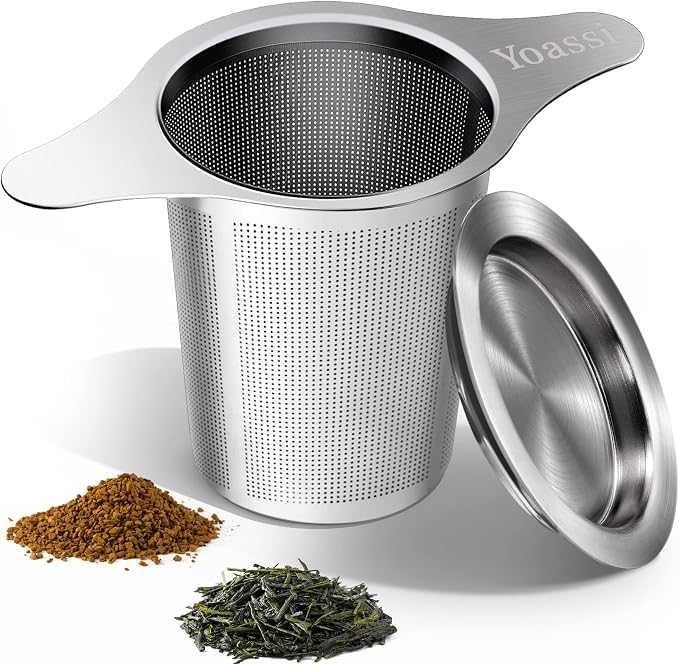
18/8 stainless-steel infuser basket
Best for: Holding or straining loose material. Skip if: You already have a basket for this vessel.
Check the basket's fit and maker's cleaning directions.
See it on Amazon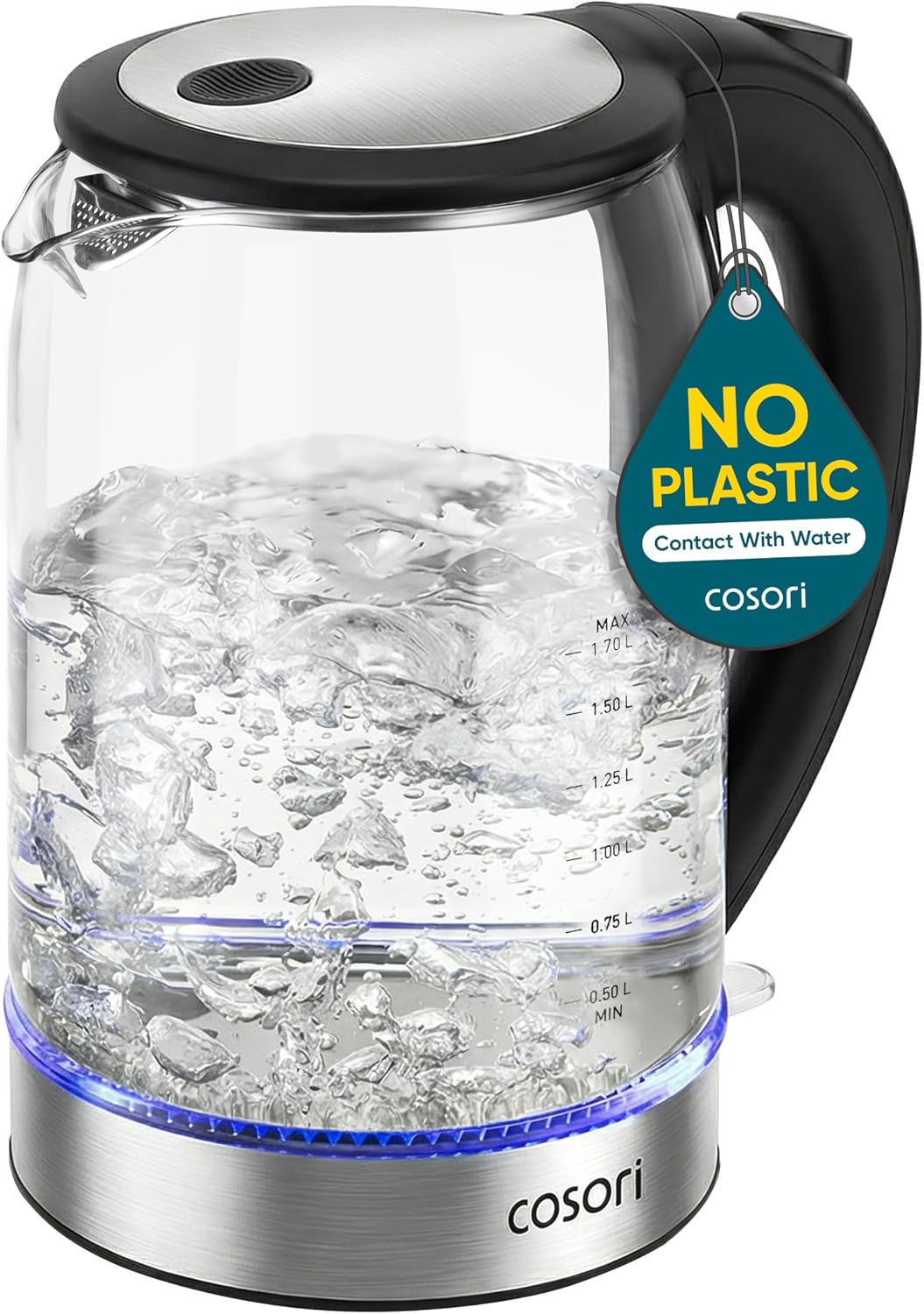
COSORI 1.7 L glass electric kettle
Best for: Heating water where appliances are allowed. Skip if: Rules prohibit appliances.
Check household rules and the current maker's directions.
See it on Amazon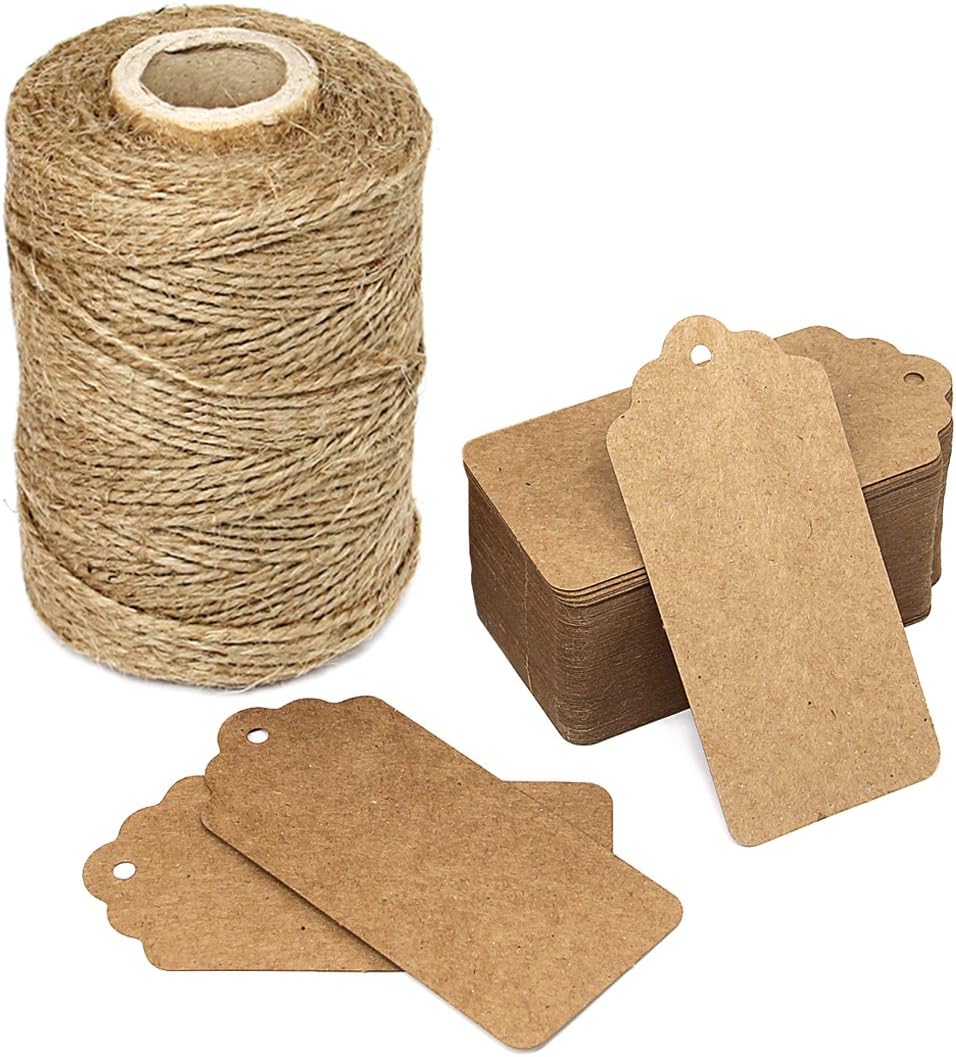
Kraft tags with jute twine
Best for: Labeling a dry bag or jar. Skip if: You do not need labels.
Keep the tag dry and the plant identity readable.
See it on Amazon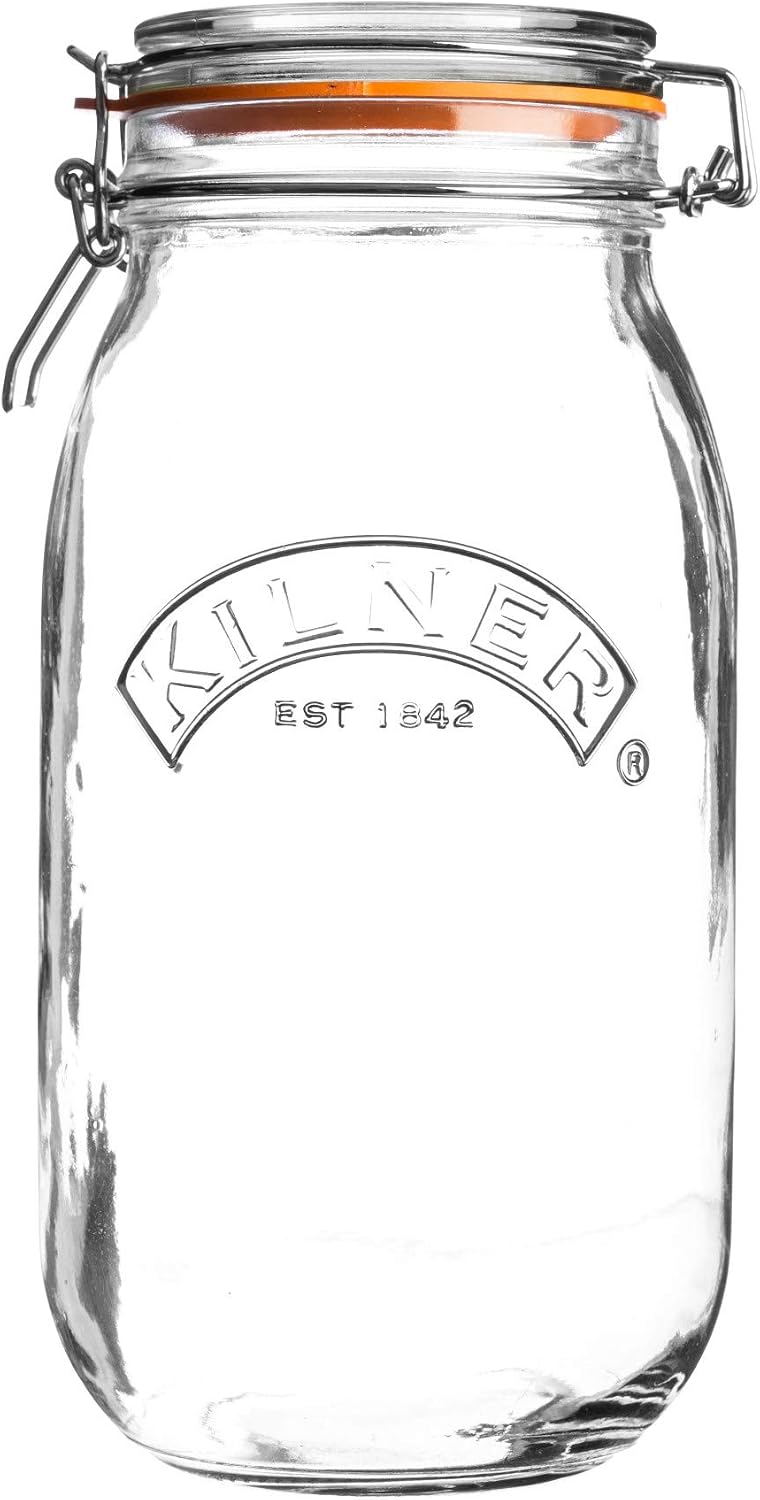
Kilner 2 L clip-top jar
Best for: Keeping dry botanicals together. Skip if: You have suitable dry storage.
Check the current listing and the maker's care directions.
See it on Amazon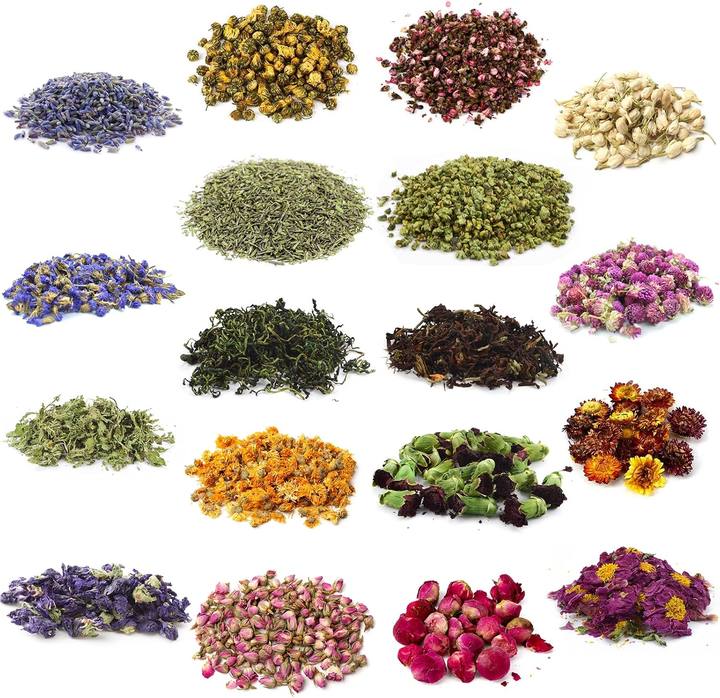
Mlife dried flower kit, 180 g
Best for: A small dry selection when its contents suit your project. Skip if: You already have suitable material.
Check the listed contents before choosing a kit for your project.
See it on AmazonSafety and scope
This is a containment guide, not a treatment guide. It does not assess whether a plant is suitable for a particular person. Do not use botanicals you cannot identify; skip a plant if you have sensitive skin or a known allergy, and patch test first. Keep essential oils out of this setup.
Keep dry material and loose pieces away from children and pets. If you are pregnant, nursing, taking medication, or unsure about a plant, ask a qualified professional before use. Product listings do not establish botanical safety.
For plant identity and safety context, see the pages on English lavender and German and Roman chamomile.
Common questions
How can I keep bath botanicals out of the drain?
Keep them in a suitable bag or strainer, then remove the material before draining the tub.
Are herbal bath teas medical treatments?
This guide covers containment, not treatment. For personal-use questions, ask a qualified professional and avoid plants you cannot identify.