
Start with the residue you can remove
Wipe away excess first. For stone, start with warm water and mild dish soap, then follow the mortar maker’s instructions. For jars and droppers, use the directions for that exact item.
Do not carry a cleaning method from one surface to another just because both held resin or oil. A jar, lid, gasket, and dropper may have different care directions, so keep the parts together while you check them.
If the directions do not cover resin residue, ask the maker before trying a stronger cleaner.
Care for a stone mortar
After wiping away excess, wash the stone with warm water and mild dish soap. Check the exact mortar’s care directions before choosing another cleaner.
Keep alcohol and solvents off stone unless its maker says they are suitable. If the residue remains after the basic wash, check the mortar directions before trying another cleaner.
A dedicated resin mortar can simplify the routine if you do this work often; it still needs maker-approved care.
For shape, capacity, and surface differences, see the granite and marble mortar comparison.
Why should jars and droppers follow separate cleaning directions?
Remove residue gently, then clean the whole container as its maker directs, including closures and dispensing parts. Check instructions before removing parts or using a solvent; glass, lids, and dropper assemblies can have different care needs.
Keep each part with its jar while you clean, and follow the instructions before separating any assembly.
If you are choosing a container, decide whether you need a dropper or a wide opening. The infused-oil straining guide covers transfer tools; the container maker’s instructions still govern cleaning.
Keep the intended use clear
If resin work is recurring, set aside a dedicated mortar and label its use. If you already have a suitable tool and do not need another, keep its care instructions with it.
A clear label method you own is enough. The jar labeling guide covers simple ways to identify containers and tools. Place the label where you can see it before picking up the tool, so you do not have to rely on memory.
Quick reference by item
Use the first step, then follow the directions for the exact item.
| Item | First step | Follow-up |
|---|---|---|
| Stone mortar | Wipe excess; warm water and mild soap | Follow maker instructions |
| Jar or dropper | Remove residue gently | Wash by maker directions |
| Shared tool | Consider a dedicated resin mortar | Label its use |
Tools that can make the routine easier
You may already have what you need. These examples are for someone who wants a separate mortar, a labeled container, or a clear way to identify a tool. Check the maker’s listing for size, fit, compatibility, and care instructions before buying; product details can change. Skip the cards if your tools already fit the task.
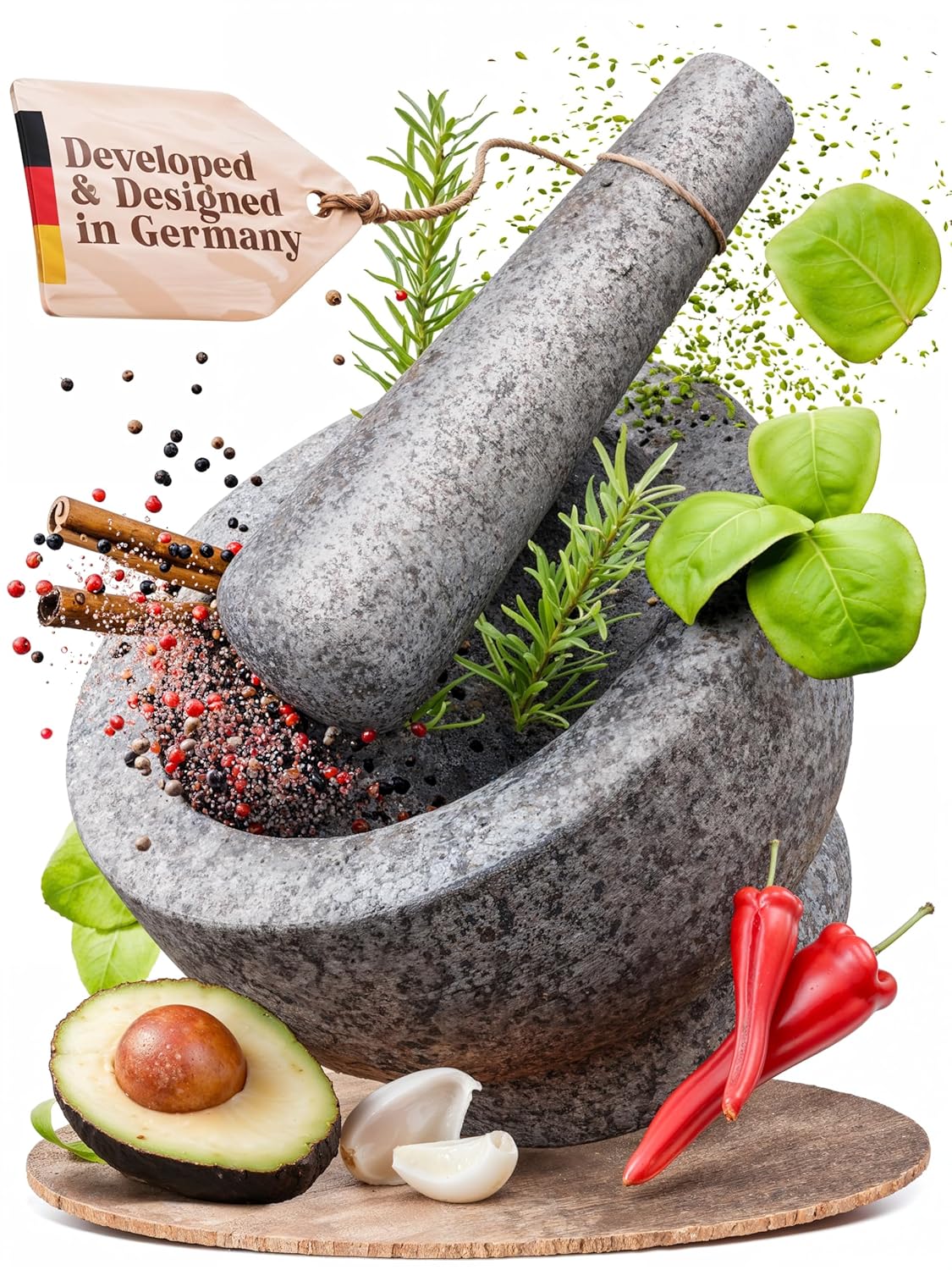
ChefSofi gray granite mortar
Best for: Keeping resin work separate.
Skip if: You do not work with resin.
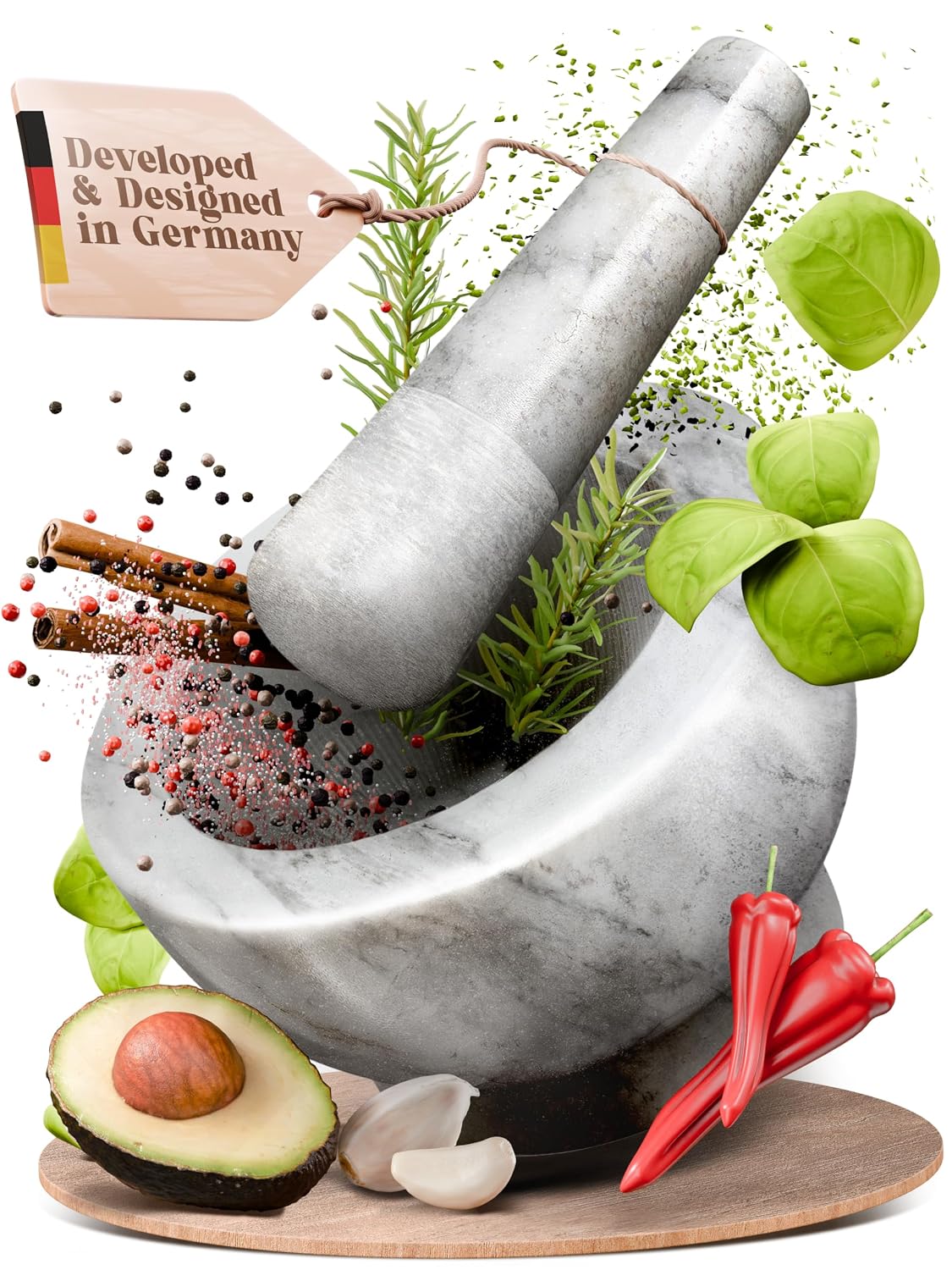
ChefSofi white marble mortar
Best for: Keeping another task separate.
Skip if: One mortar fits your work.
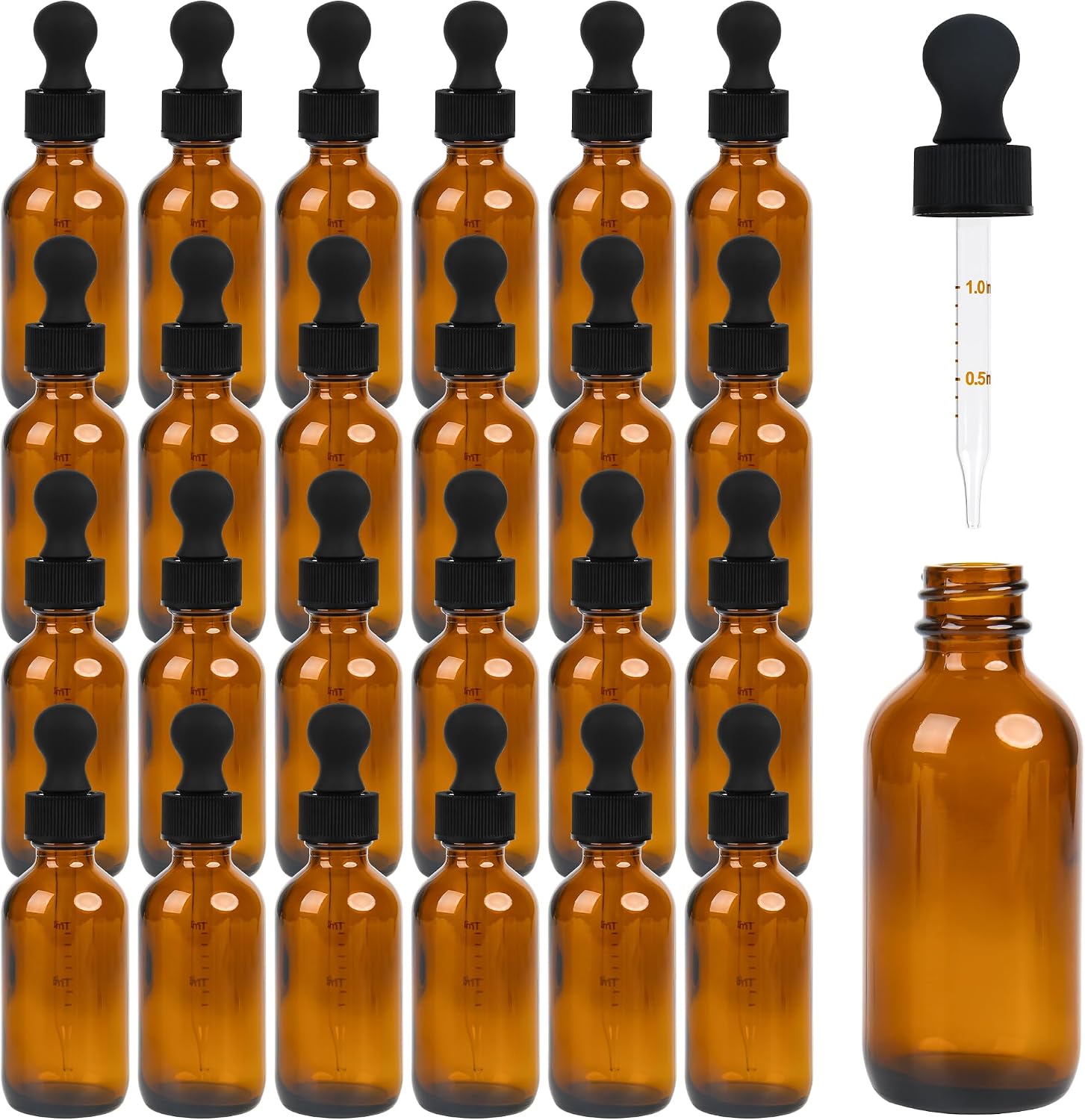
Amber glass dropper bottles, 2 oz 24-pack
Best for: Holding material in a labeled container.
Skip if: You need to reach inside with a scoop.
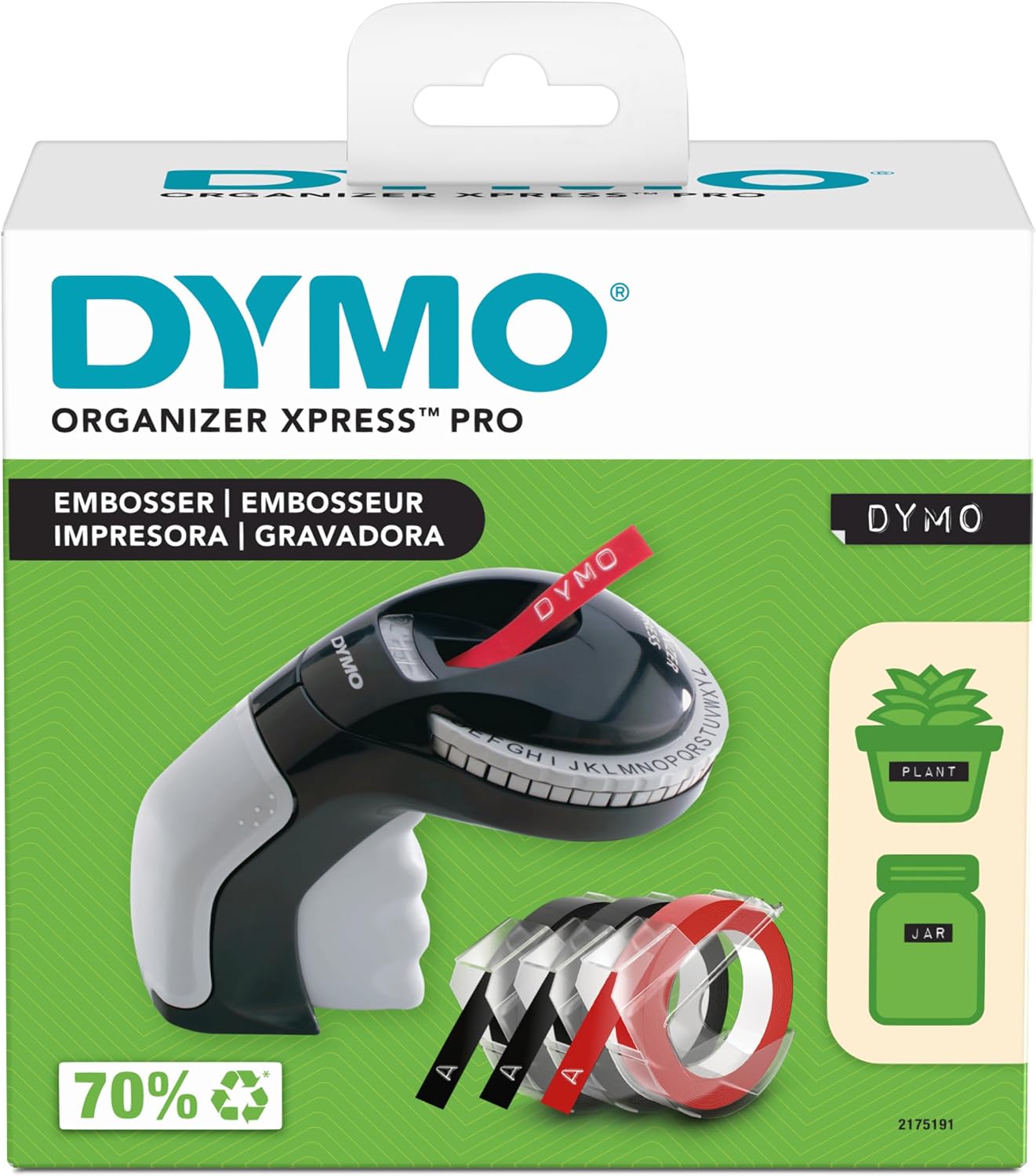
DYMO Organizer Xpress Pro embossing label maker kit
Best for: Marking tools or containers.
Skip if: You have a clear label method.
Cleaning limits
Do not use alcohol or solvents on stone unless the mortar maker approves them. For jars and droppers, follow the exact item’s cleaning directions and check before using a solvent.
Common questions
Can I clean a stone mortar with alcohol?
Do not use alcohol or solvents on stone unless the maker says they are suitable. Start with warm water and mild dish soap, then follow maker instructions.
How should I clean a jar or dropper bottle?
Follow the maker's cleaning directions. Do not assume a solvent is suitable.