
Start with a dry batch
Only pack fully dried herbs. Keep the amount you use in a working jar and leave the reserve closed until you need it.
Brittle stems that snap rather than bend are a general clue, not a food-safety guarantee.
Check the batch before packing
Check the thickest stems. If they still bend, continue with a suitable drying method and follow the appliance maker’s directions for the selected material.
A snap test does not measure moisture or establish food safety. For equipment options, see the rack and dehydrator comparison.
Separate working stock from reserve
Keep a convenient amount in a working jar and leave the rest closed. Refill the jar as needed instead of leaving the reserve open while you portion herbs.
Choose an opening that suits how you scoop or pinch the herb. Measure a sample before choosing capacity; the jar sizing guide helps estimate fit. Use a clean jar you already own if it works.
Choose a jar or a sealed reserve bag
A working jar suits the amount you open often. A sealed bag may suit fully dry reserve stock when the bag and absorber makers’ directions match your use. Keep the herb name with either container.
Take out what you need, close the working jar, and keep the reserve in a dry place. The seals and lids guide explains closure limits; no container or absorber sets a universal shelf life.
When should you use oxygen absorbers for herb storage?
Use an absorber only with fully dry goods and according to the bag and absorber makers’ directions. It is not a drying tool.
| Material | Storage direction | Caution |
|---|---|---|
| Fully dry herbs | Use a clean, closed working jar or reserve bag | Keep reserve separate from frequent access |
| Fresh or moist material | Do not add an oxygen absorber to a sealed bag | Dry first by an appropriate method |
| Oily or liquid-infused material | Do not treat it as a dry good | Check a trusted food-safety source |
If you are unsure whether a batch is fully dry, do not seal it with an absorber.
Storage and drying examples
The cards cover drying, a working jar, and reserve storage. Use a method or container you already have when it suits the batch. Before buying, check the selected model and packaging directions.
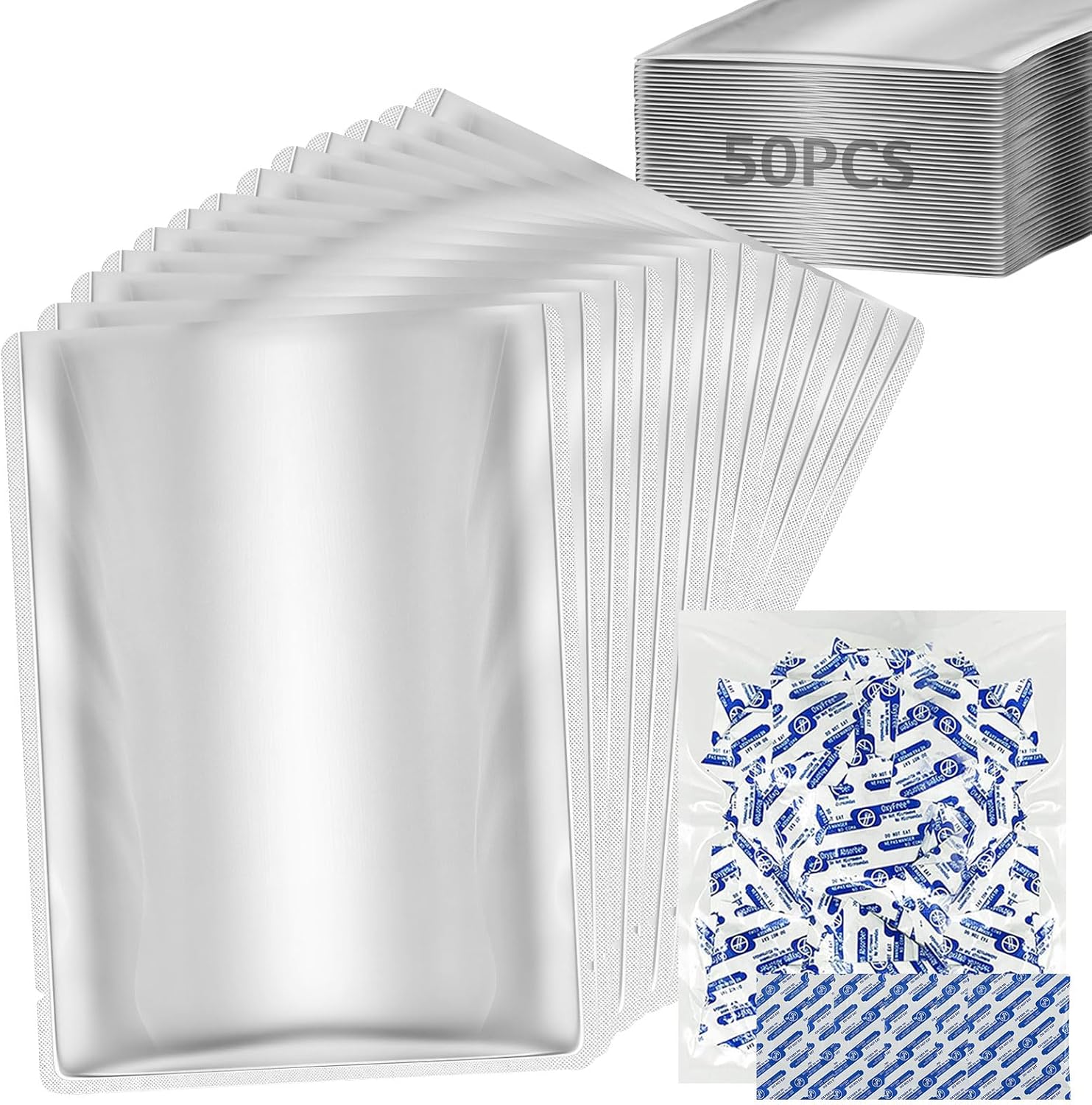
One-gallon Mylar bags, 50-pack
Best for: Separating fully dry goods from frequent access. Skip if: The material is fresh, moist, oily, or liquid-infused.
The supplied listing describes 8.7 mil total thickness and 60 absorbers. Follow the bag and absorber makers' directions.
See it on Amazon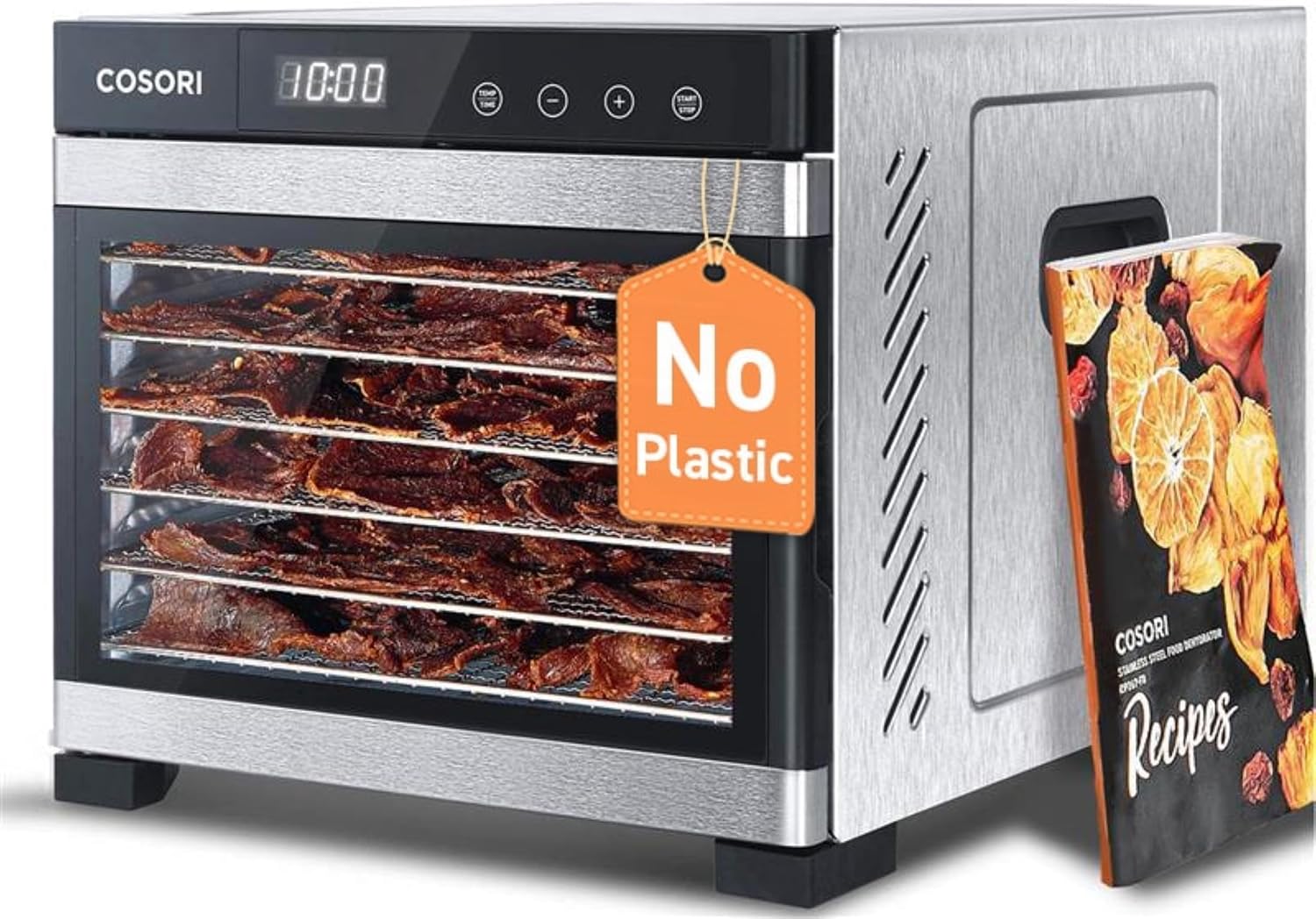
COSORI food dehydrator
Best for: Drying herbs by the maker's directions. Skip if: You already have a suitable drying method.
Check the listing and manual for the selected model's current details and instructions.
See it on Amazon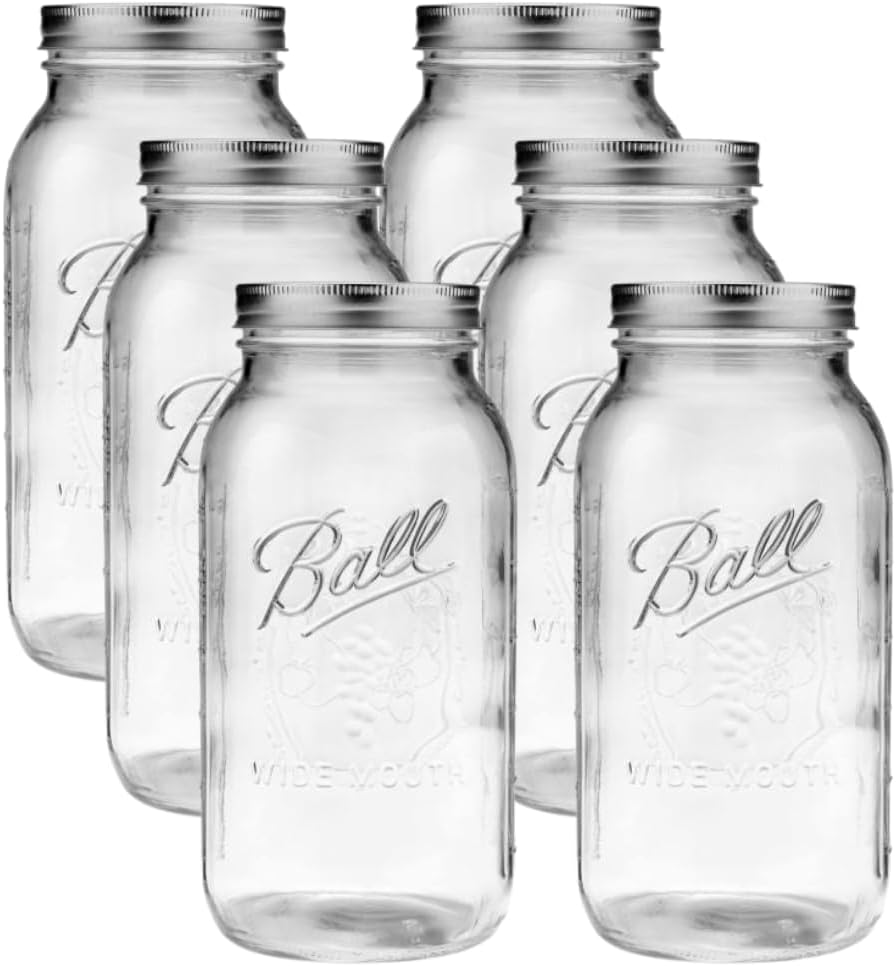
Ball wide-mouth half-gallon jars, 6-pack
Best for: Keeping a small supply accessible. Skip if: Your current jar is clean and roomy enough for the working amount.
Check the current listing for the selected package and closure details.
See it on Amazon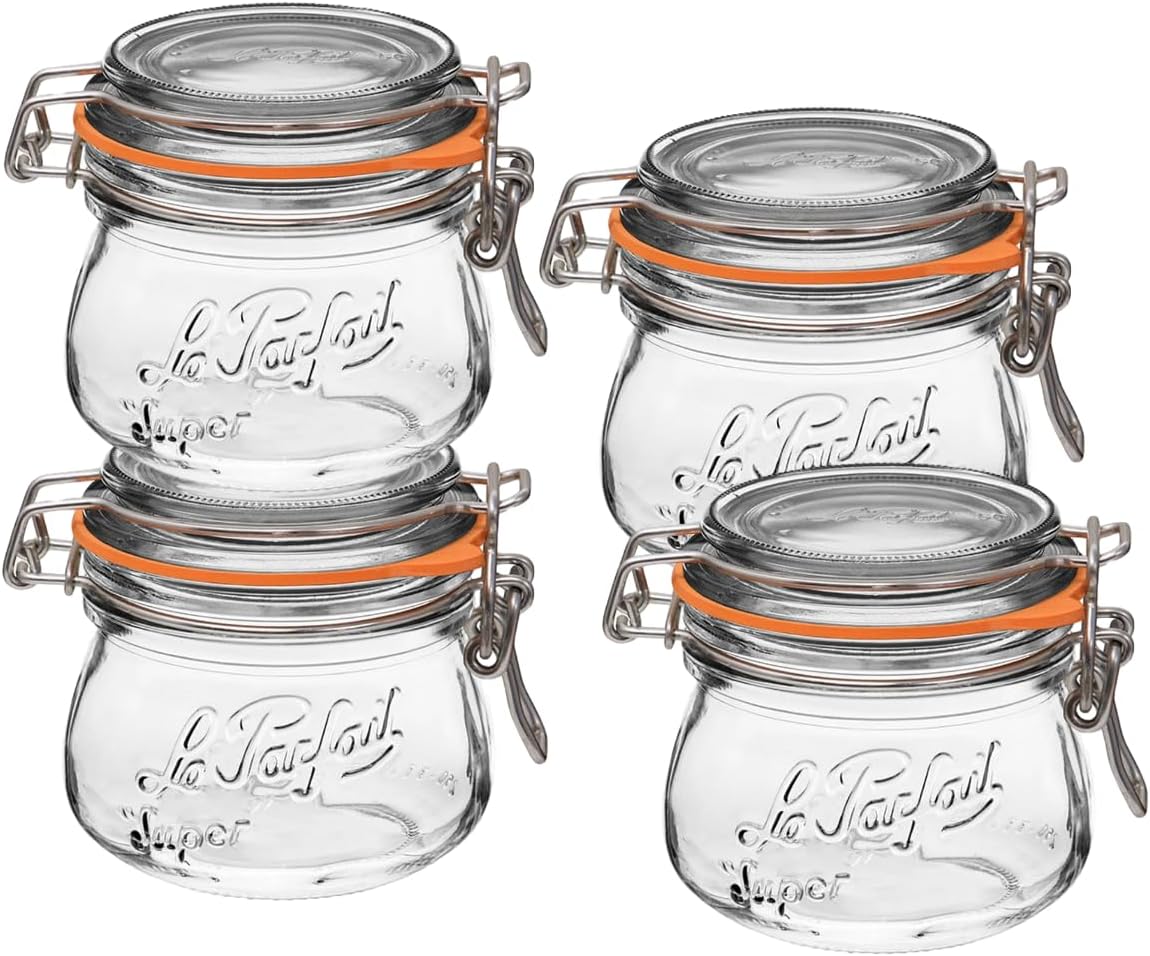
Le Parfait Super Jar, 250 mL, 4-pack
Best for: Separating a working supply from reserve. Skip if: You need another closure style.
Follow the bag and absorber directions for the amount and sealing method.
See it on AmazonKnow where this storage guide stops
A brittle stem is a general clue only. This guide does not set a moisture level, shelf life, or food-safety rule for every herb. For food-safety questions, use USDA or National Center for Home Food Preservation guidance. For personal-use questions, check guidance from a qualified source.
Common questions
What is a general check that herbs are dry?
Brittle stems snap rather than bend. This is a general check, not a food-safety guarantee.
Can I use oxygen absorbers with fresh or moist herbs?
Use oxygen absorbers only with fully dry goods, following the bag and absorber makers' instructions.